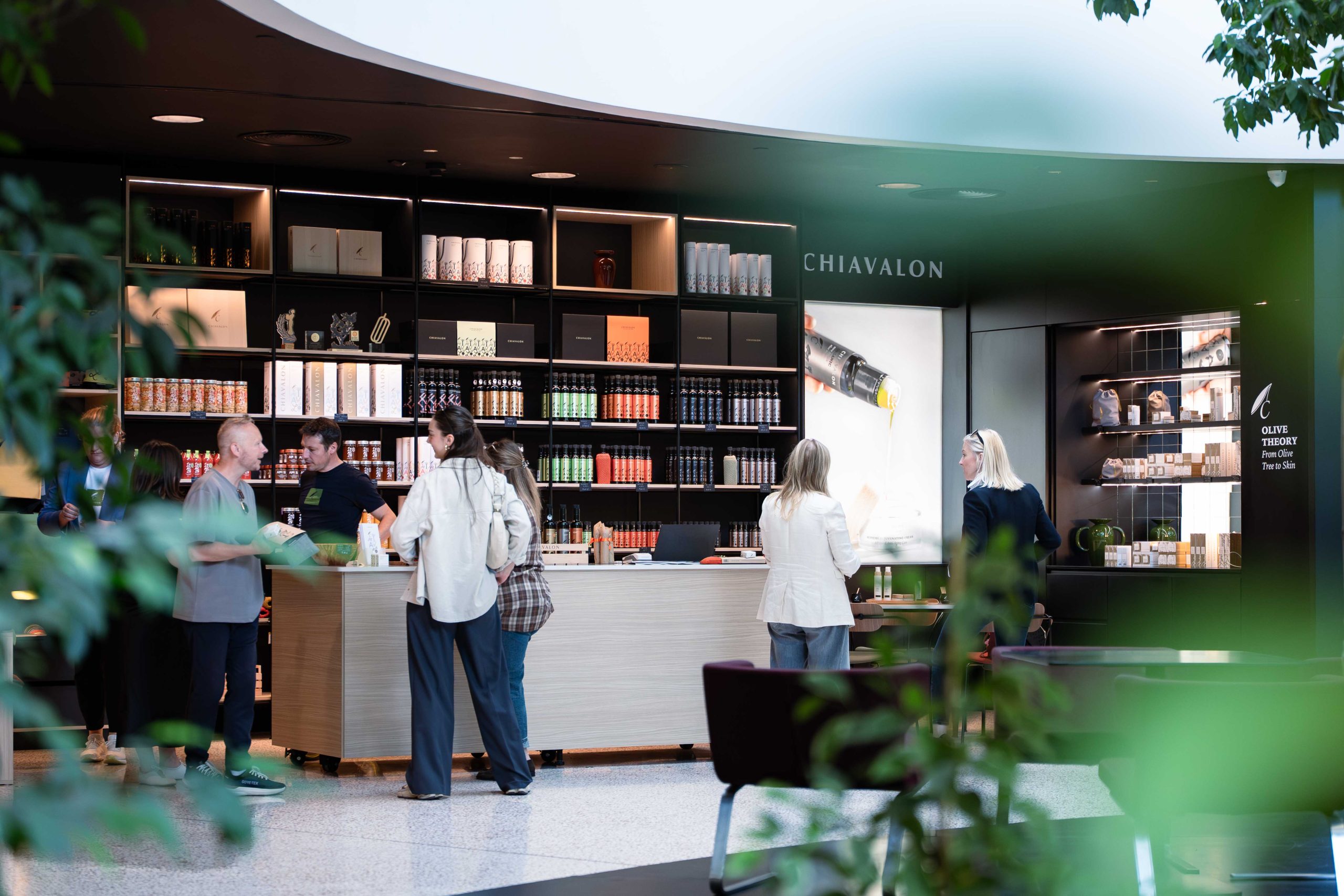
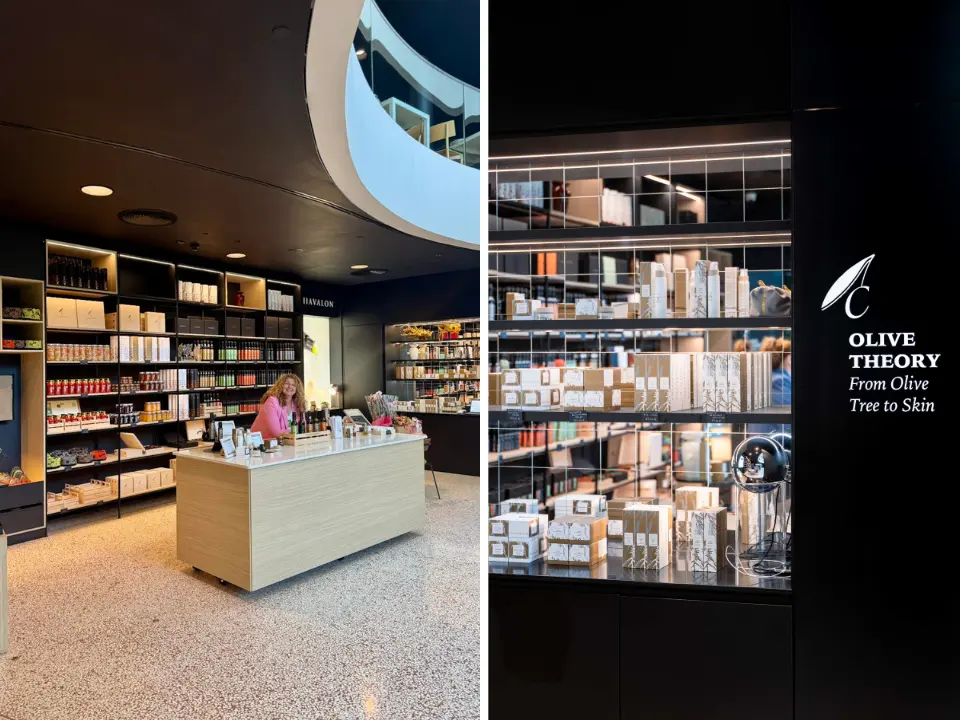
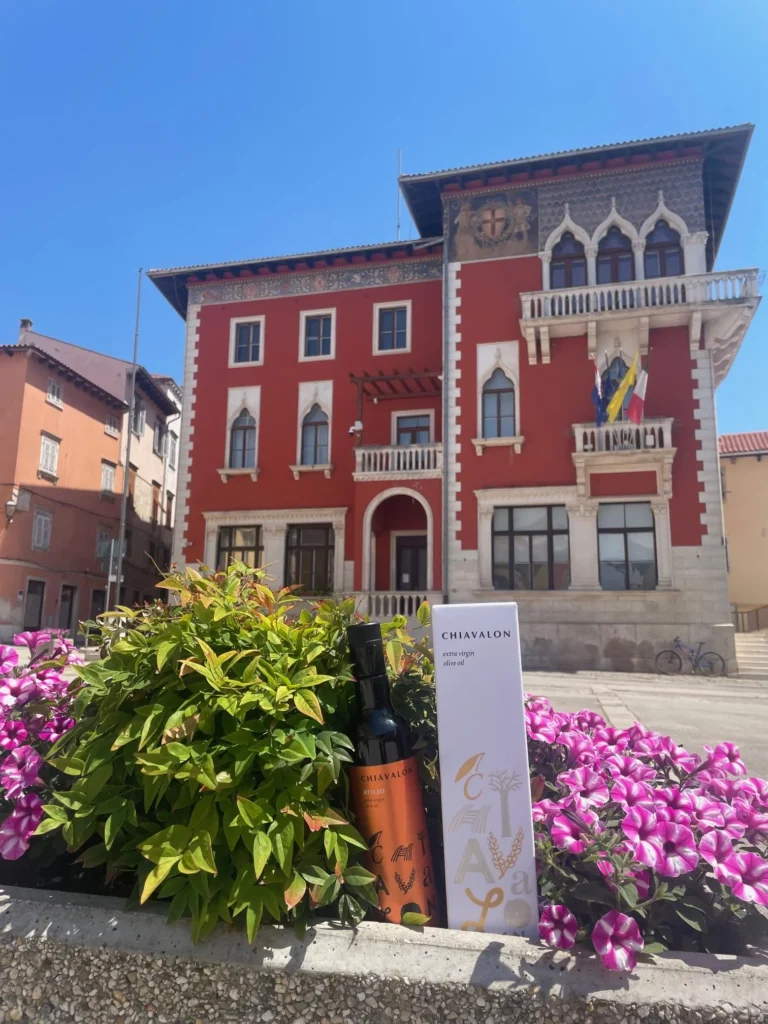
We are delighted to announce the opening of our Chiavalon Concept Store at Hotel Lone in Rovinj.
This is our first store outside our olive mill in Vodnjan and a new space through which we share the world of Chiavalon offering guests visiting Istria a different, yet equally authentic way to discover our products and experience the region through the local products connected to the destination in which they stay.
Our collaboration with the hospitality company Maistra developed from a shared understanding of the importance of local identity in creating a complete guest experience. The aim of this partnership is to bring Istria closer to visitors through the region’s finest products and the story behind them.
The Chiavalon Concept Store at Lone thus becomes a meeting point between guests and our products, naturally integrated into the overall stay experience.
In this new space, you can explore the full world of Chiavalon:
Organic products, including tomato sauce, a variety of marmalades, and our “Amore” chocolate spread
The “Chiavalon Olive Theory” skincare line, developed over the past 10 years and launched at the end of 2025, based on our knowledge of the olive and its bioactive compounds
The Concept Store was designed as a space that reflects our approach to the olive: a combination of knowledge, quality, and a contemporary presentation style – the same philosophy we cultivate at our olive mill in Vodnjan. Visiting the store is an opportunity to gain a closer insight into our work and products firsthand.
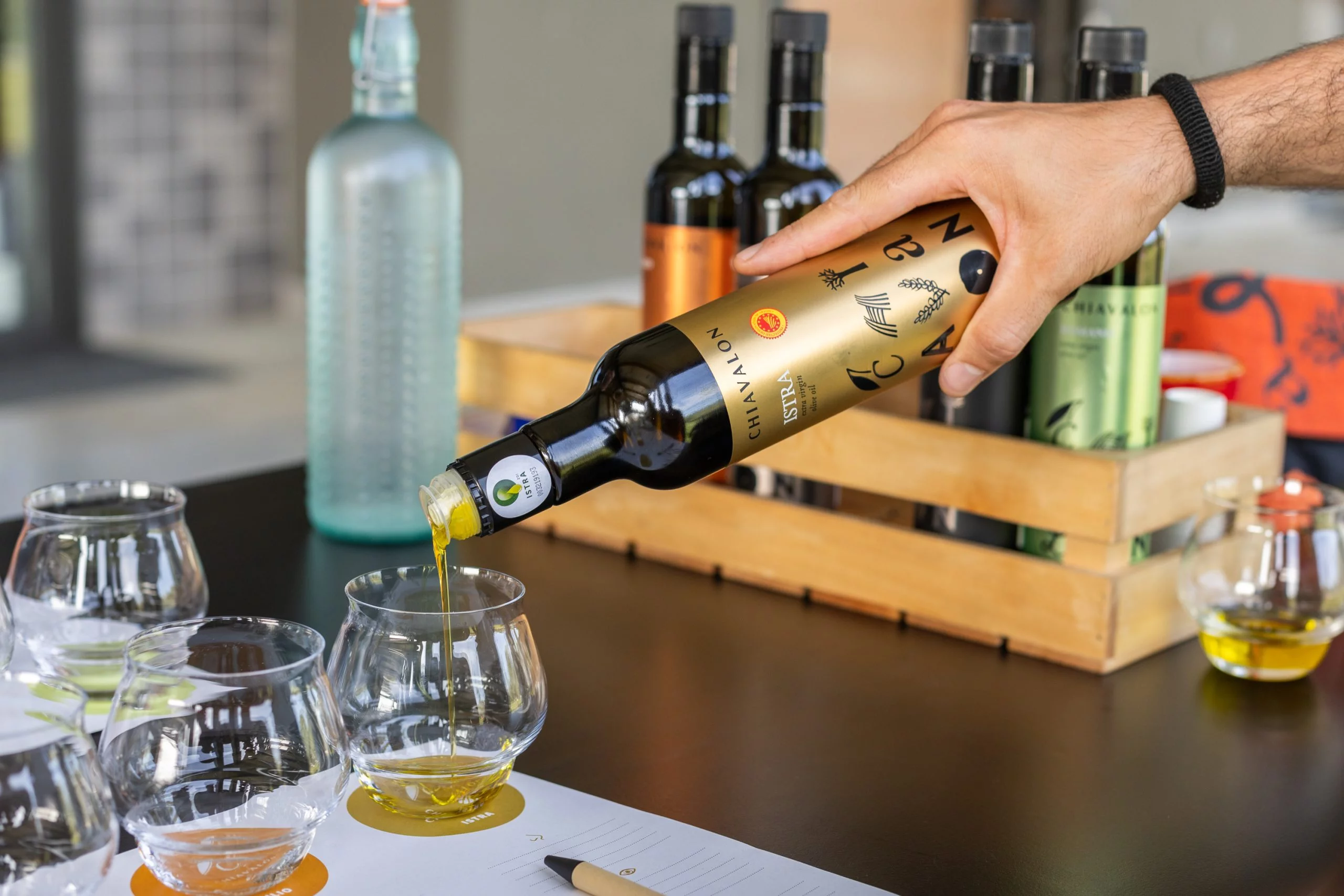
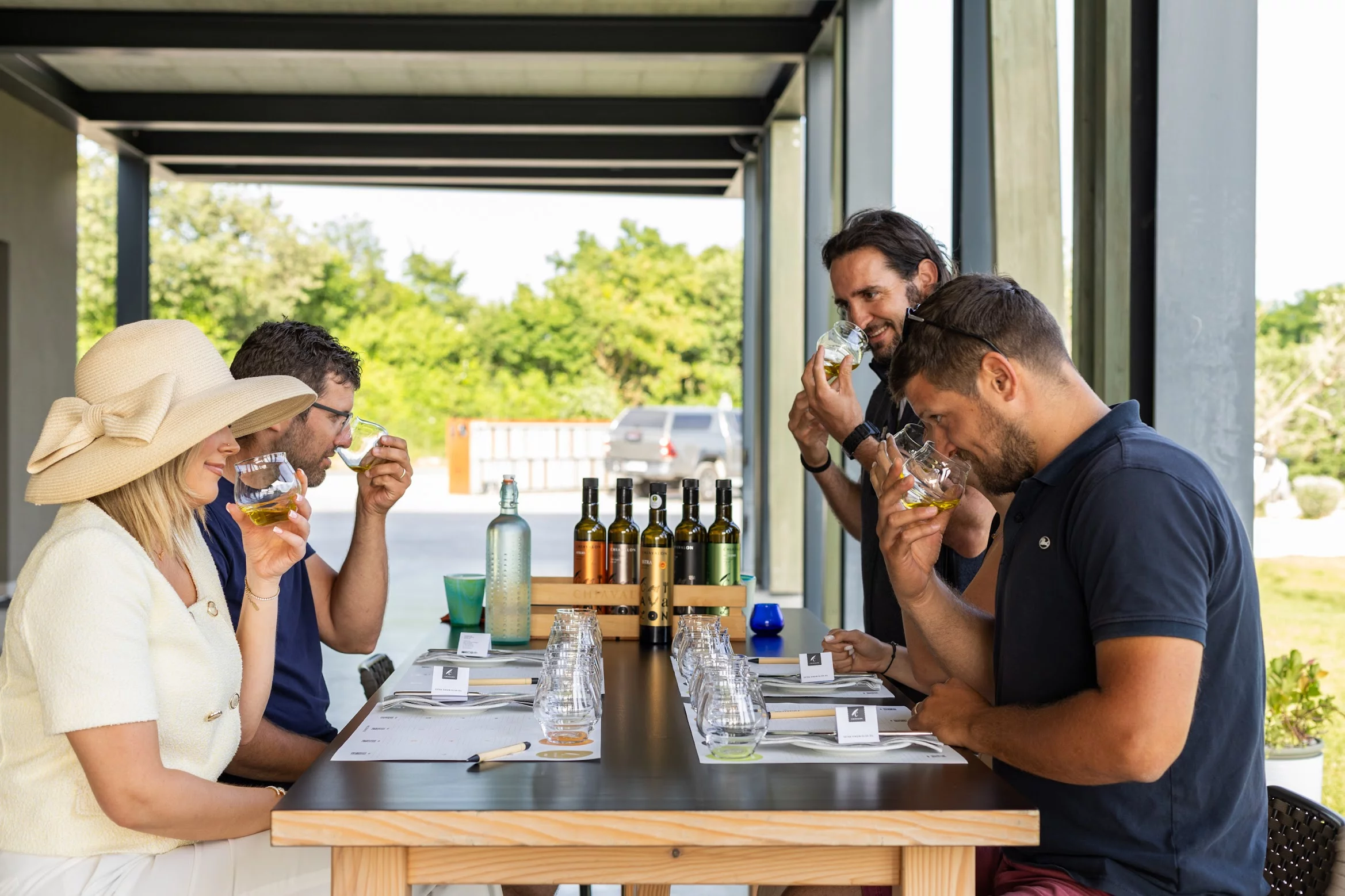
You can taste our extra virgin olive oils and find the one that suits you best, while our store manager Manuela will be happy to guide you through the entire selection and introduce you to the world of the olive. For those wishing to explore our skincare collection as well, we have prepared testers from the Chiavalon Olive Theory line so you can experience the products before making your choice.
Where to find us
The store is located inside Hotel Lone at the address Luje Adamovića 31 in Rovinj.
If you enter through the hotel’s main entrance, take the stairs or elevator down to the ground floor, where you will find our store next to the entrance of the renowned restaurant Tekka by Lone.
If you arrive from the seaside promenade, the store is immediately accessible upon entering the hotel.
The location was designed to allow for an easy and spontaneous visit, whether you come intentionally or simply discover us while strolling through Rovinj.
We look forward to welcoming you and sharing with you what we do: from the olive to the finished product, through an experience that brings together local heritage and a contemporary approach.
A big day for Istria and an even bigger one for our family farm – we have officially been awarded the international Slow Food Farm designation. This prestigious recognition is granted only to farms that work in harmony with nature, protect the soil, biodiversity, traditional varieties, and the local community. In short, everything our work represents and lives every single day.
Slow Food is an international movement dedicated to food that is good, clean, and fair. The Slow Food Farm label is given to farms that demonstrate consistency in sustainable food production, the protection of native varieties, ethical work practices, and contributions to their community. It’s a global confirmation that food at a particular place is produced with deep respect for the land, tradition, and people.
After many years of dedicated work, this designation recognizes us as a farm that:
cultivates and produces with respect for the land
nurtures traditional Istrian varieties and preserves the character of our landscape
operates completely organically and sustainably
follows zero-waste principles in daily practice
creates food that is Good, Clean & Fair
This confirms that our path is the right one – and also motivates us to continue with even greater responsibility and passion.
We owe special thanks to the Istrian de Dignan association for the nomination and for their support through all these years. Their trust and our shared work are part of this story just as much as each of our olive groves, every harvest, and every project we’ve started.
We are proud that our work has been recognized globally and grateful to all of you – customers, partners, friends – who follow and support us. We carry this recognition in the name of Istria and of everyone who believes that exceptional food can only be created with love, knowledge, and patience.
Today is a milestone for our family and our team. This is recognition that we do not see food as a product, but as culture, terroir, and a responsibility toward the land and its people. It means we protect biodiversity, work with respect for the olive tree, for nature, and for everyone who shares a table with us.
It means choosing quality over speed, knowledge over shortcuts, and integrity over compromise. This status is not a reward – it is a commitment.
A commitment to continue telling the story of Istria, its soil, and its olives. A commitment to teach new generations what olive oil truly is. A commitment to be an example of how food can be produced with pride and heart.
Thank you to everyone who is part of our journey. Sandi Chiavalon
The Slow Food Farm designation is more than recognition for us – it is a confirmation of the values we have upheld from day one. We will continue to work slowly, naturally, and to the best of our ability, preserving the Istrian terroir and creating olive oils that tell the story of our region.
Thank you, Slow Food. Thank you, Istrian de Dignan. Thank you, all of you.
In Vodnjan, surrounded by olive groves stretching toward the sea, autumn brings a familiar rhythm – it’s the fifth season of the year: olive harvest time.
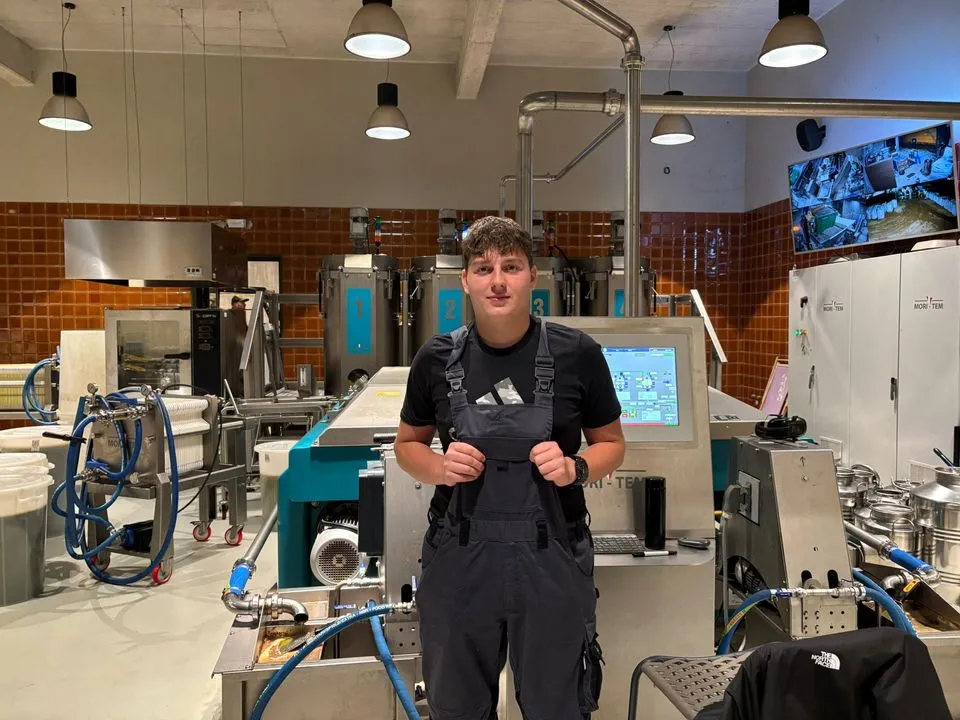
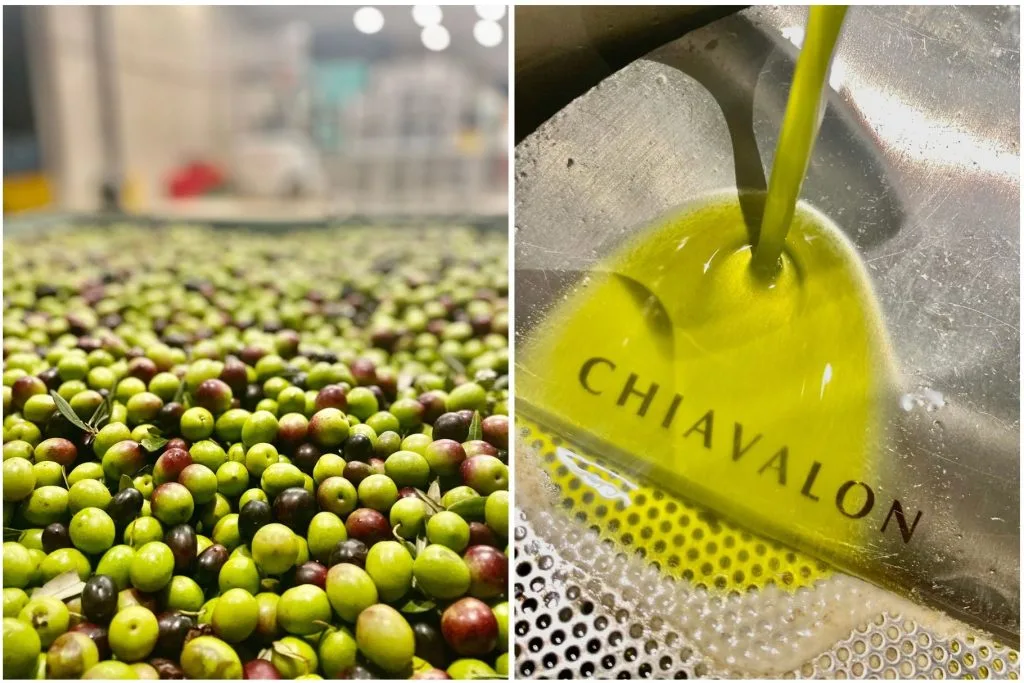
At the Chiavalon mill, days and nights blend together. The machines never stop, and the air is filled with the rich aroma of freshly milled olives – a sure sign that a new olive oil is coming to life. The production is led by Sandi Chiavalon, the founder who started this story back in 1997, and his son Antonio. Antonio arrives straight from school to take over his shift, while Sandi and the team keep things running around the clock.
This is Chiavalon’s 29th olive harvest and the 10th year of our own production, meaning every step from tree to bottle is entirely in our hands. That’s what makes the difference: experience, family dedication, and full control over every drop of our olive oil.
Harvest under the sun and Bura wind
The 2025 harvest began on October 2nd, blessed with almost perfect weather conditions. Sunshine and the northern bura wind followed the team through the month, allowing the fruit to be picked dry and processed in ideal condition. By the end of October, around 80% of the olives had been harvested and processed, with the remaining groves waiting for more stable weather.
Rain arrived late in the month, creating long queues in mills across Istria, ours included – but we’re staying organized and working efficiently to finish everything on time.
A challenging but successful year
This was not an easy year for olive growers. Spring brought heavy rain, while May and June were dry and hot, affecting olive flowering and fruiting. Then July and August turned unusually wet, creating the perfect environment for pests like the olive weevil, stink bug, and olive fly – a real challenge for organic producers.
Thanks to constant care and attention from our team, the fruit was preserved in great condition. Yields are slightly lower than last year, but extraction rates are better, so the overall amount of oil will remain similar. The olives were harvested healthy, and this year’s oils are harmonious and fruity, full of freshness and balance – just the way we love to make them. The rainy summer brought extra complexity and depth to the flavor, something you can taste in every drop.
Technology, tradition, and knowledge
Our mill is more than a production site. It’s a place where tradition meets innovation. The system is fully digitalized, allowing every local grower who brings olives here to track their olives through the process and receive updates by email when their oil is ready.
Sandi proudly notes that digitalization has brought a new level of transparency and trust within the community. Another positive trend is the growing number of producers who filter their oil immediately after processing – something Sandi often highlights as essential for quality and longevity. “When you see people adopting that knowledge and understanding the process,” he says with a smile, “you know you’re moving in the right direction.”
Now comes one of our favorite parts of the process – tasting. As every year, we’ll blend each olive variety to create balanced, expressive oils designed to elevate any dish.
Two generations, one purpose
The Chiavalon mill today represents the true spirit of family work. Two generations, father and son, stand side by side at the same machine. Antonio, still in high school, is already learning the craft hands-on, with a passion for olives and land clearly running in his veins.
Their teamwork symbolizes the bridge between tradition and the future, a family that keeps innovating but remains true to its roots.
The 2025 harvest embodies everything Chiavalon stands for: passion, knowledge, dedication, and innovation. Sun, wind, rain, and earth once again joined forces with human hands and family unity.
And as the new golden-green oil begins to flow from the press, one thing is clear: in every drop, you can taste love for the olive and pride in family craftsmanship.
As the machines hum through the night, Sandi and Antonio share a look that says it all: The work goes on.
A Small Amount of Polyphenols – A Huge Health Impact
Extra virgin olive oil is well known for its antioxidant and anti-inflammatory properties. However, increasing attention in scientific research is being given to one particular component: polyphenols. Although they make up less than 1% of the oil’s total mass, their impact on gut health – and overall well-being – is profound.
A recent scientific review published in the journal Foods analyzed dozens of studies (in vitro, animal-based, and human), and the conclusion is clear: Polyphenols from olive oil help balance the gut microbiota by feeding beneficial bacteria and suppressing harmful ones.
Gut Microbiota – Your Second Brain
Our bodies contain trillions of microorganisms, most of which live in the digestive system. This complex community, known as the gut microbiota, is essential for:
proper digestion
nutrient absorption
immune regulation
and even mental health, via the gut-brain axis
However, the microbiota’s balance can be disrupted by stress, poor diet, certain medications (especially antibiotics), and a lack of fiber. This is where polyphenols come in.
How Do Polyphenols Work?
Polyphenols are natural plant compounds found in the skin, leaves, and fruit of the olive. The main ones in olive oil are:
Hydroxytyrosol
Oleuropein
Oleocanthal
These compounds are not fully digested in the small intestine, meaning they reach the colon almost intact – where they become food for beneficial bacteria such as Lactobacillus, Bifidobacterium, and Akkermansia muciniphila, a bacterium associated with weight regulation and glucose metabolism.
Scientific Evidence
According to the Foods review (2025), along with previous research in Nutrients and Nutrition Reviews, EVOO polyphenols:
Increase the number of beneficial bacteria (prebiotic effect)
Stimulate the production of short-chain fatty acids (SCFAs), essential for gut health
Inhibit pathogenic microbes such as E. coli, Clostridium, and Salmonella
Exhibit strong antioxidant and anti-inflammatory effects
Interestingly, people who consume high-quality olive oil regularly show greater microbiota diversity – a well-known marker of better overall health and a lower risk of chronic disease.
Effects on the Brain and Mood
The gut-brain connection is no longer theoretical. It is now known that the microbiota produces neurotransmitters like serotonin and dopamine, which directly influence:
mood and motivation
stress levels
sleep quality
mental focus
By feeding beneficial bacteria with polyphenols, we indirectly support our emotional balance – opening up a new perspective on nutrition as a tool for mental well-being.
The Chiavalon Philosophy: Health in Every Drop
At Chiavalon, we’ve been cultivating our olive groves in Istria’s red soil for more than two decades, with deep respect for nature. Our oil is cold-pressed within just a few hours of harvest, preserving the maximum content of polyphenols and other bioactive compounds.
Laboratory tests consistently confirm high levels of hydroxytyrosol and oleocanthal – compounds responsible for the effects that are now scientifically validated.
For us, this is more than scientific data. It’s the reason our products exist: to nourish, protect, and strengthen you from within.
If you’re looking for a simple way to nourish your body – and your microbiome – every day, start with your plate. One tablespoon of high-quality extra virgin olive oil per day is not just a culinary delight – it’s a scientifically supported investment in your health.
On the Adriatic coast, šalša – the tomato sauce – has always been the ultimate symbol of summer. Our none used to simmer it for hours on the old wood stove, spreading a smell that drifted through the whole street. One šalša can have a hundred variations, and not a single one is wrong. Every household has its own secret recipe: the amount of onion, the order of adding herbs, that little hidden trick. When the plate is empty, šalša stays. And then you dip bread in it – and there’s never enough bread.
Tomatoes arrived in Europe in the 16th century, and šalša was born out of the need to save overripe tomatoes from going to waste – with a bit of garlic and herbs to “fix” the smell, and olive oil to make it last longer. Across the Mediterranean, tomato sauce took on many forms: šalša in Istria and Dalmatia, sugo/salsa di pomodoro in Italy (especially in the south around Sicily and Calabria), sofrito and other salsas in Spain. That’s why we make our Chiavalon 100% BIO tomato sauce – so everyone can create their own taste of tradition, a taste of summer, or even a more sophisticated dish elevated by this clean base.
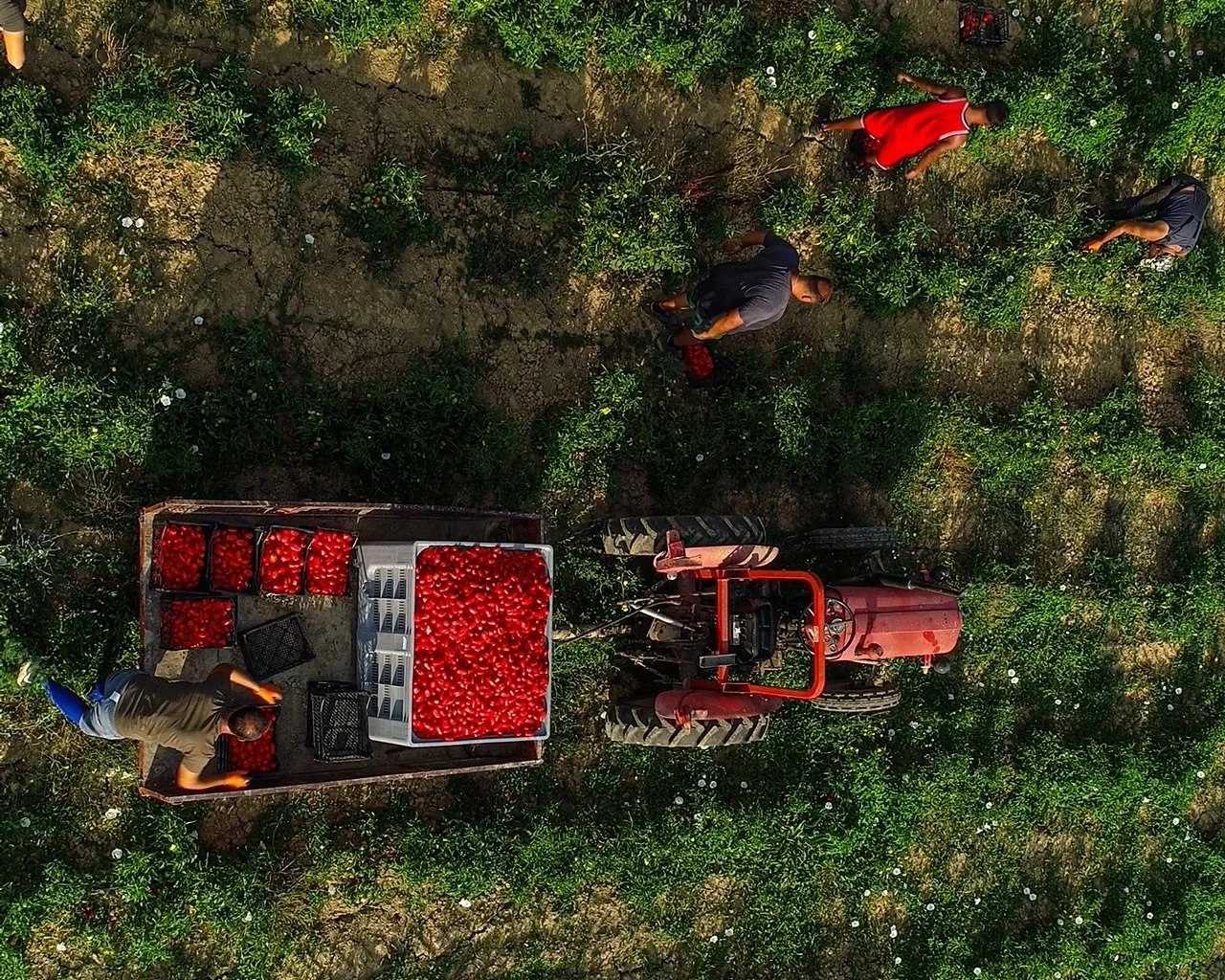
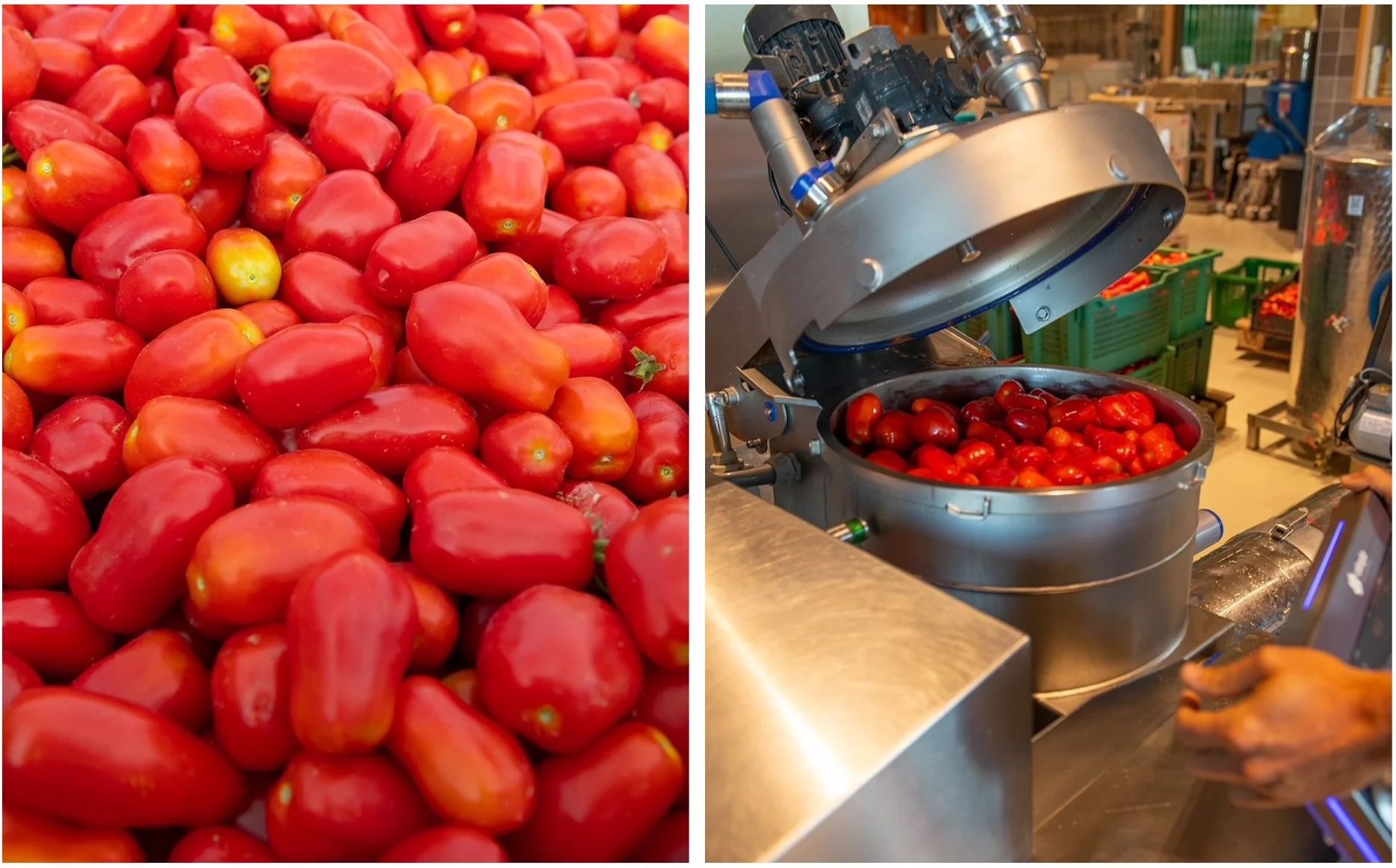
Chiavalon 100% BIO tomato sauce is pure Mediterranean in a jar – made from carefully selected, fully organic tomatoes grown in the sunny fields of Istria’s Raša valley. With no added preservatives, artificial colors, or flavors, it delivers the authentic taste of the Mediterranean – perfect as a base for your favorite recipes, from classic šalša to more complex dishes.
Today, we’re taking you through the scents and flavors of an Istrian summer – with dishes where šalša takes the spotlight.
Eggs in Šalša as a quick brunch
It might not be originally Istrian, but it sure feels like home. On many village tables, when ideas or time run out, but there are eggs in the fridge and a jar of šalša, this rustic warm dish comes to life. Eggs are gently poached directly in the sauce, flavored with a touch of garlic and olive oil (we recommend Organic ), often with a sprinkle of parsley or dried oregano. Add some freshly baked bread, and it’s perfect – so you can wipe the plate clean.
Cuttlefish in red sauce
On Istria’s coast, šalša is a classic companion to fish and seafood. Sipa na crveno (“cuttlefish in red”) is slowly cooked in šalša with garlic, a drizzle of olive oil, and a splash of white wine. A bit of thyme or garden parsley often goes in, too. It’s served with creamy polenta. Pair it with our Romano for the full experience.
Stuffed peppers in Šalša, the way none made them
In the heart of summer, when peppers are ripe and tomatoes are in abundance, the kitchen fills with the smell of stuffed peppers baked in šalša. In Istria, they’re filled with a mix of ground meat, rice, and spices like parsley, pepper, and a pinch of nutmeg, then cooked in a thick, sweet sauce that wraps the dish in softness. Our Atilio is the perfect touch for this summer classic. Best enjoyed the next day, when the flavors have settled – and because, let’s face it, there’s never enough šalša.
Summer veggies in Šalša
When the garden gives you everything – zucchini, malancane (eggplant), beans – nothing goes to waste. The veggies are fried or roasted, then gently simmered in šalša enhanced with garlic, fresh basil, and olive oil – with Ex Albis playing a starring role. A dish that can be both main and side, seasonal, light, and full of color.
There’s something magical about tomato sauce. Versatile, irreplaceable, the base of so many flavors. And it doesn’t hurt that tomatoes are packed with vitamins – like vitamin C (boosts immunity, protects cells), vitamin A (for vision and skin), vitamin K1 and folate (for blood clotting and DNA synthesis), plus vitamin E and minerals like potassium, which helps regulate blood pressure. When combined with Mediterranean herbs – basil, oregano, thyme, rosemary, parsley – the benefits multiply. These herbs not only enrich the taste of šalša but also bring anti-inflammatory, antimicrobial, and antioxidant powers to the table.
The season is here and lasts through August into mid-September. Tomatoes are ripe, sweetened and blushed by the sun. The scents of summer once again drift through the streets of Vodnjan, just like in the old days. If you’d like your dose of our organic passata, visit our webshop and stock up – so summer can last a little longer.
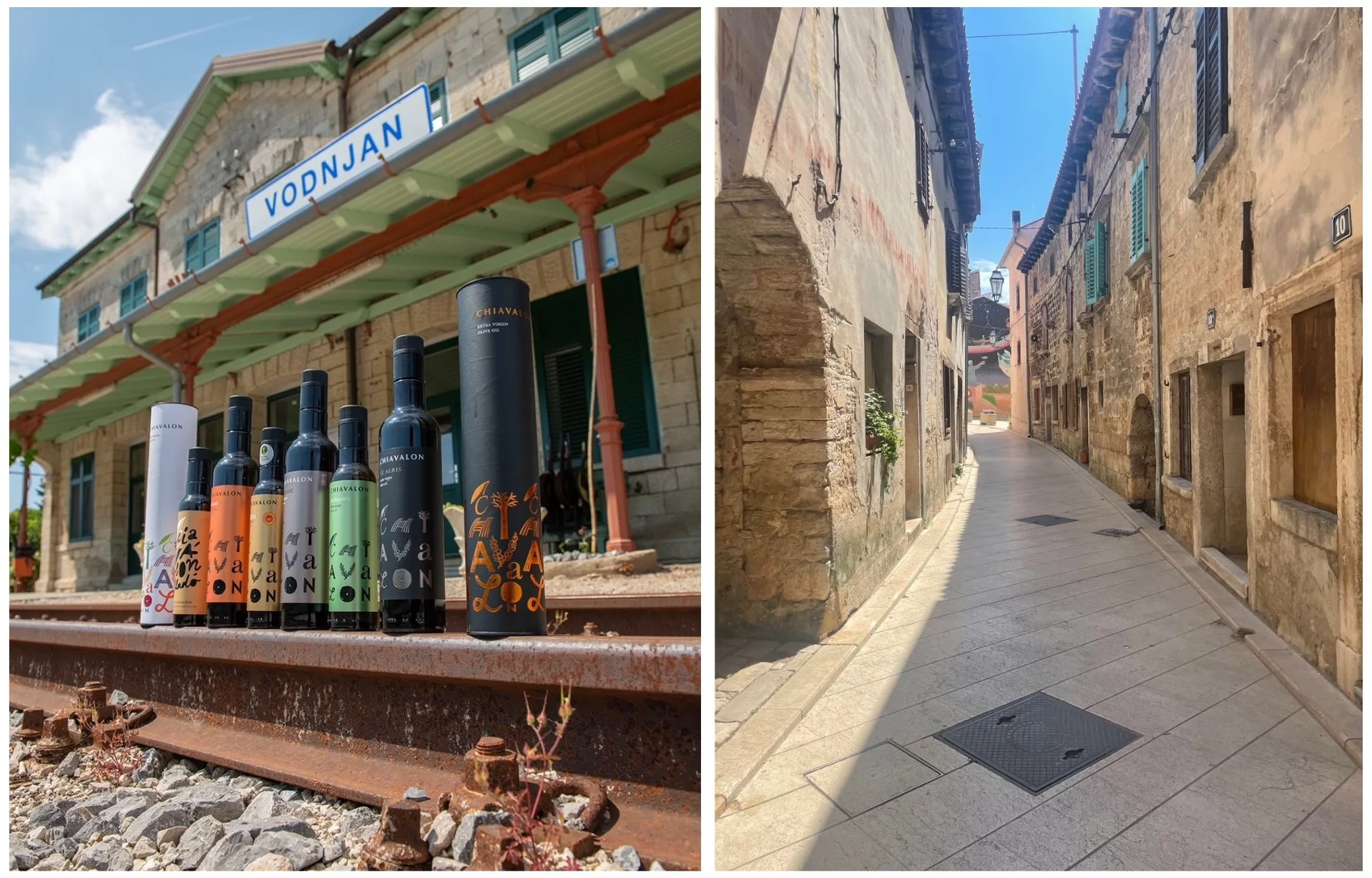
Vodnjan, located in southern Istria just 5 kilometers from the Brijuni Riviera, is a town rich in history, cultural diversity, and gastronomic delights. Known as the town of olives, Vodnjan offers a unique blend of tradition and modernity, making it an ideal destination for a day trip. Its streets and squares are alive with stories of the past, conveyed through art, architecture, and the hospitality of its residents.
Vodnjan was the first town in Istria to receive electricity, highlighting its progressiveness and regional significance. The residents of Vodnjan, affectionately known as “Bumbari,” proudly preserve their cultural heritage, including bilingualism in Croatian and Italian, making it one of the few towns in Istria with deeply rooted Italian traditions.
The Church of St. Blaise is the largest parish church in Istria, constructed between 1760 and 1800. This imposing Baroque building dominates the center of Vodnjan and houses an impressive collection of sacred art, including relics and incorrupt bodies of saints—one of the largest such collections in Europe.
Notably, the church’s bell tower stands at 62 meters, making it the tallest in Istria. Inspired by St. Mark’s Campanile in Venice, this tower symbolizes the town and offers panoramic views of Vodnjan, Pula, Fažana, and the Brijuni archipelago.Visitors can explore the tower on Fridays and Saturdays from 10 AM to 12 PM during the tourist season.
Located in the heart of the old town, Bettica Palace is one of Vodnjan’s most significant historical buildings. Built in the late 18th century in Baroque style as the residence of the noble Bettica family, it played a vital role in the town’s social and cultural life.
The building features an elegant façade, a spacious inner courtyard, and architectural details reflecting the wealth and influence of the era’s elite. Today, the palace serves as a cultural center hosting exhibitions, lectures, and various events aimed at preserving and promoting local heritage.
The Eco Museum “Istrian de Dignan” was established by a local association dedicated to preserving and promoting the traditional lifestyle of Vodnjan and its surroundings. Housed in an old stone house, the museum offers an authentic experience—from the kitchen and cellar to spaces for olive processing and textile production.
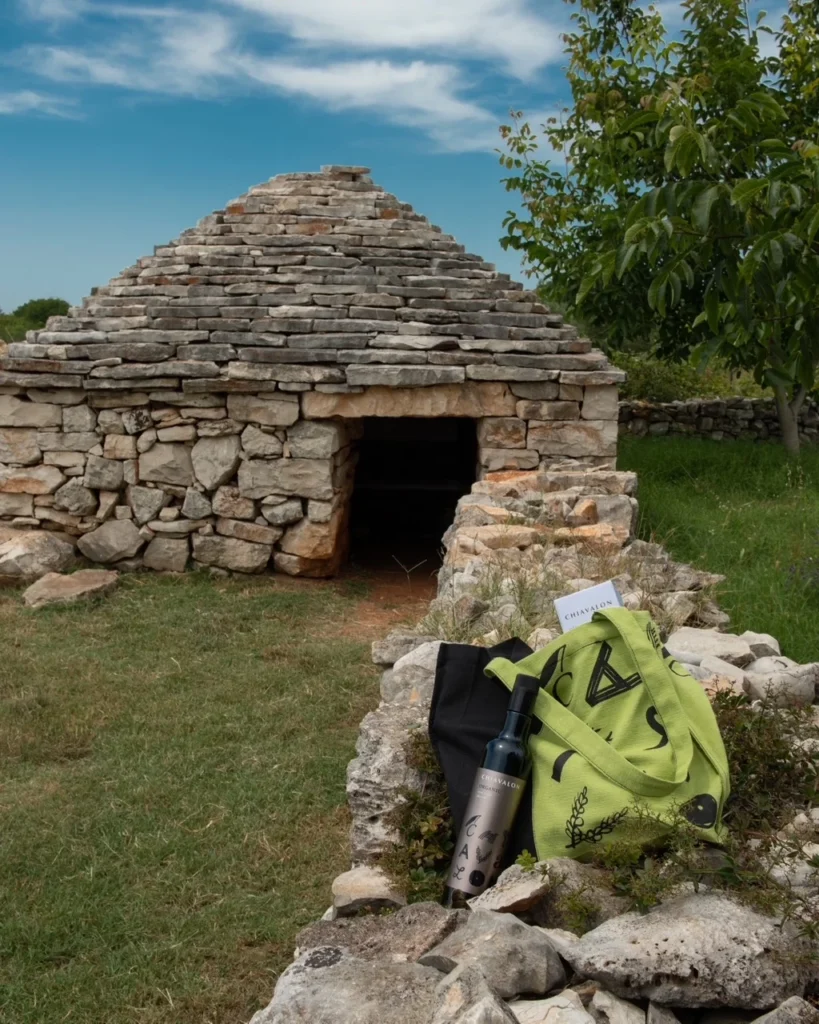
Visitors can learn about ecological farming, dry-stone wall construction, the creation of “kažuni” (traditional stone huts), and other aspects of Istrian identity. The museum also functions as a community space, bringing together local producers, artists, and heritage enthusiasts.
Murals and Galleries – art at every turn
Walking through Vodnjan is not only a journey through time but also through contemporary art. The town is renowned for its murals adorning the facades of houses and buildings throughout the old town. These murals result from international art festivals like Boombarstick, which have brought artists from around the world to Vodnjan.
In addition to murals, the town offers several small art galleries nestled in hidden alleyways. Each gallery showcases the personal artistic expressions of local and visiting artists, providing space for direct interaction between visitors and creators.
El Magazein Gallery – a dynamic contemporary art space
El Magazein Gallery in Vodnjan is a contemporary exhibition space located in the old town center. Known for its constantly changing exhibitions and artists, it provides a platform for both local and international contemporary artists.
The gallery does not operate on a standard schedule and is not always open, so it’s advisable to check current information about exhibitions and opening hours before visiting. Exhibitions change frequently, meaning the visitor experience can vary significantly depending on the time of visit.
For accurate information, it’s best to consult their official website or social media channels, where announcements of new exhibitions, events, and schedules are regularly posted.
At the entrance to Vodnjan lies Kažun Park—a unique open-air museum dedicated to traditional Istrian dry-stone construction. The park showcases various types of “kažuni,” small stone huts that once served as shelters for farmers and storage for tools and crops.
Visiting the park is ideal for families, nature lovers, and ethnology enthusiasts, offering informative panels, workshops, and educational content on the importance of preserving intangible cultural heritage.
Gastronomic identity of Vodnjan
Vodnjan is renowned for its high-quality local products, with its olive oil, wine, and prosciutto producers among the best in the region.
Buršić Prosciutto offers traditionally produced Istrian prosciutto made to the highest quality standards. Visitors can tour the facility, learn about the curing process, and taste various cured meat products.
Babos Winery is a small family-run winery that nurtures indigenous grape varieties and offers guided tastings of its wines.In a pleasant atmosphere, you can learn more about the Istrian terroir and the philosophy of this dedicated winery.
Bora Nera, a local coffee roaster, is a must-visit for coffee enthusiasts. Here, you can participate in tastings, learn about the bean roasting process, and enjoy carefully prepared beverages from different parts of the world.
Ecomuseum Istrian de Dignan prepares meals daily using local and fresh ingredients. If you wish to taste delicious and traditional dishes and desserts, visit them from 8:00 AM to 2:00 PM every day at Ecolab, located near the Vodnjan Elementary School.
Vodnjan is a town that successfully combines history, art, and gastronomy into an authentic experience that leaves a lasting impression. For families with children, Vodnjan offers a well-maintained playground and numerous facilities ensure a pleasant stay and entertainment for all generations.
Whether you’re visiting for a peaceful retreat, cultural exploration, or to experience the finest flavors of Istria – Vodnjan will welcome you with open arms and a wealth of experiences.
In Valbandon, nestled between the scent of sea salt and the greenery of Istria, behind stone walls that remember more than people do, you’ll find Konoba Alla Beccaccia. The name comes from the woodcock – Beccaccia in Italian – a prized game bird among hunters. It’s not a coincidence. Here, everything has its reason – and even more so, its soul.
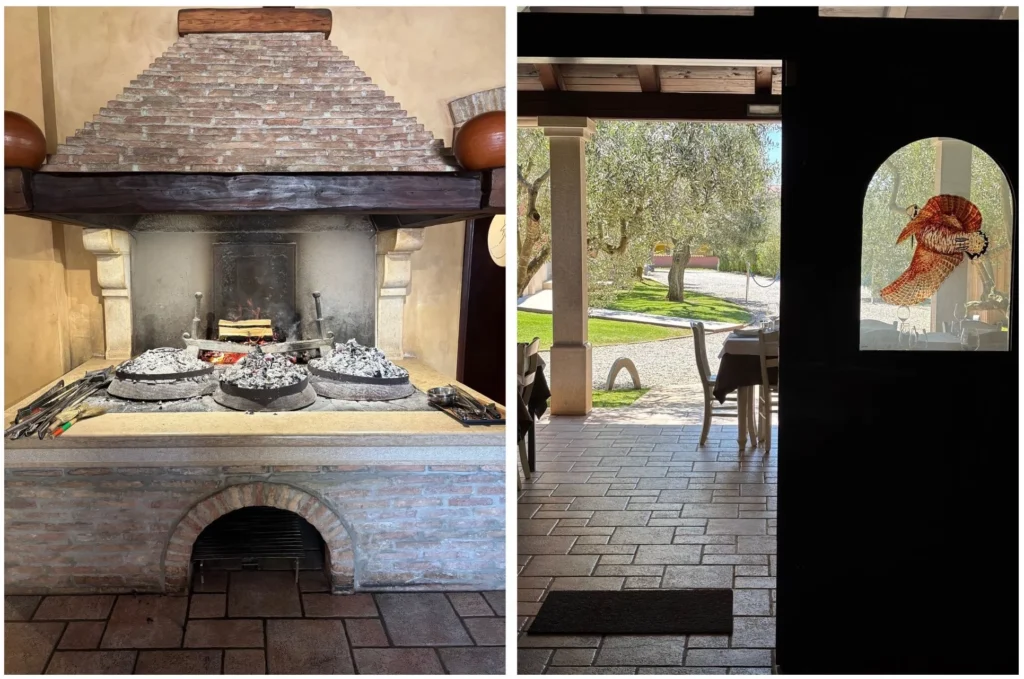
Pino, the founder and a passionate woodcock hunter, built the heart of the house – a massive open fireplace. Its embers crackle day and night, fueling slow roasts and traditional clay-pot cooking. Though a new generation now gathers around it, the rhythm of the fire still sets the pace – for mornings, noons, and long evenings.
Today, the tavern is run by Ivor and Annamaria. He is the host – calm, grounded, and a hunter like his predecessor. She is the chef – a bold, creative soul with a clear vision. Her kitchen is her kingdom. Herbs and spices are her language. Every dish that passes through her hands must tell a story – with balance, emotion, and edge. Sweet, sour, bitter, salty – there’s a small revolution in every plate.
She doesn’t create dishes on demand – she plays, she experiments, she waits for inspiration. The team follows.
In the courtyard: stone, shade, and quiet greenery. Inside: warmth from wood and flame. Not luxury – but comfort, honesty, permanence. Just as they imagined it.
For 25 years, Alla Beccaccia has welcomed guests; this is Ivor and Annamaria’s third season at the helm.
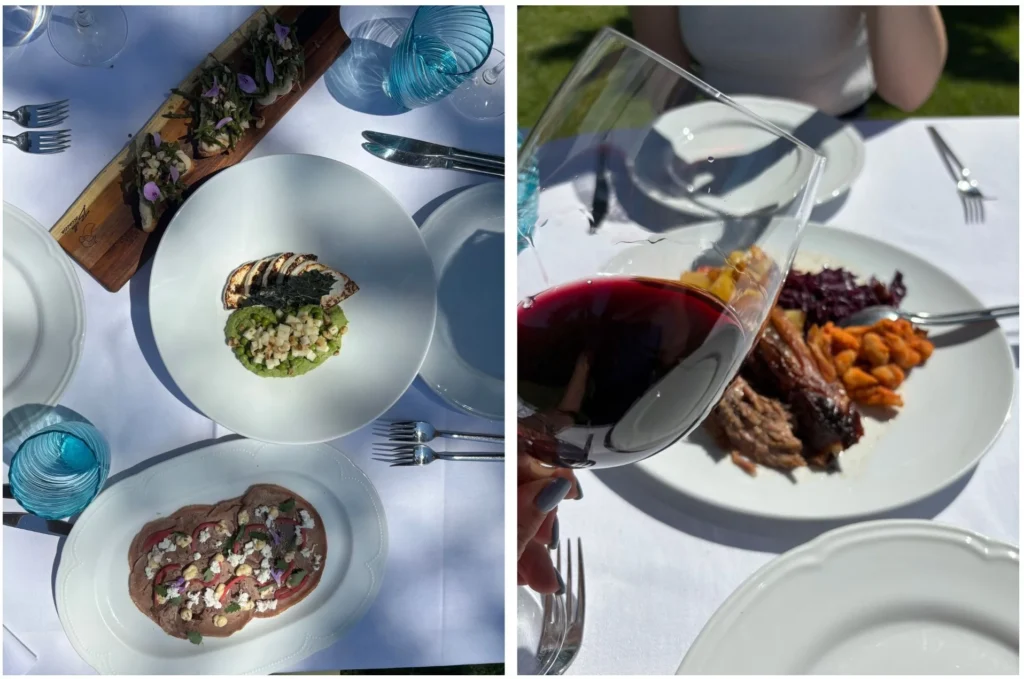
Here, meat takes center stage. It’s not hidden or masked – it’s celebrated and elevated. Guests don’t come for “a bit of everything”, they come for the best of one thing. Annamaria and Ivor strive to be recognized for the way they prepare and present meat. The menu isn’t printed in advance – it listens to the seasons, the land, and local producers.
If peas and radishes are ripe today, they’re on the menu. Tomorrow, it might be cabbage or artichokes. Vegetables are both a challenge and a passion. They talk about how they’d love to see more variety in the market – there are yellow, white, even purple carrots, not just orange ones. There are over 15,000 types of potatoes in the world – and yet, “Everyone has their own potato guy,” they joke.
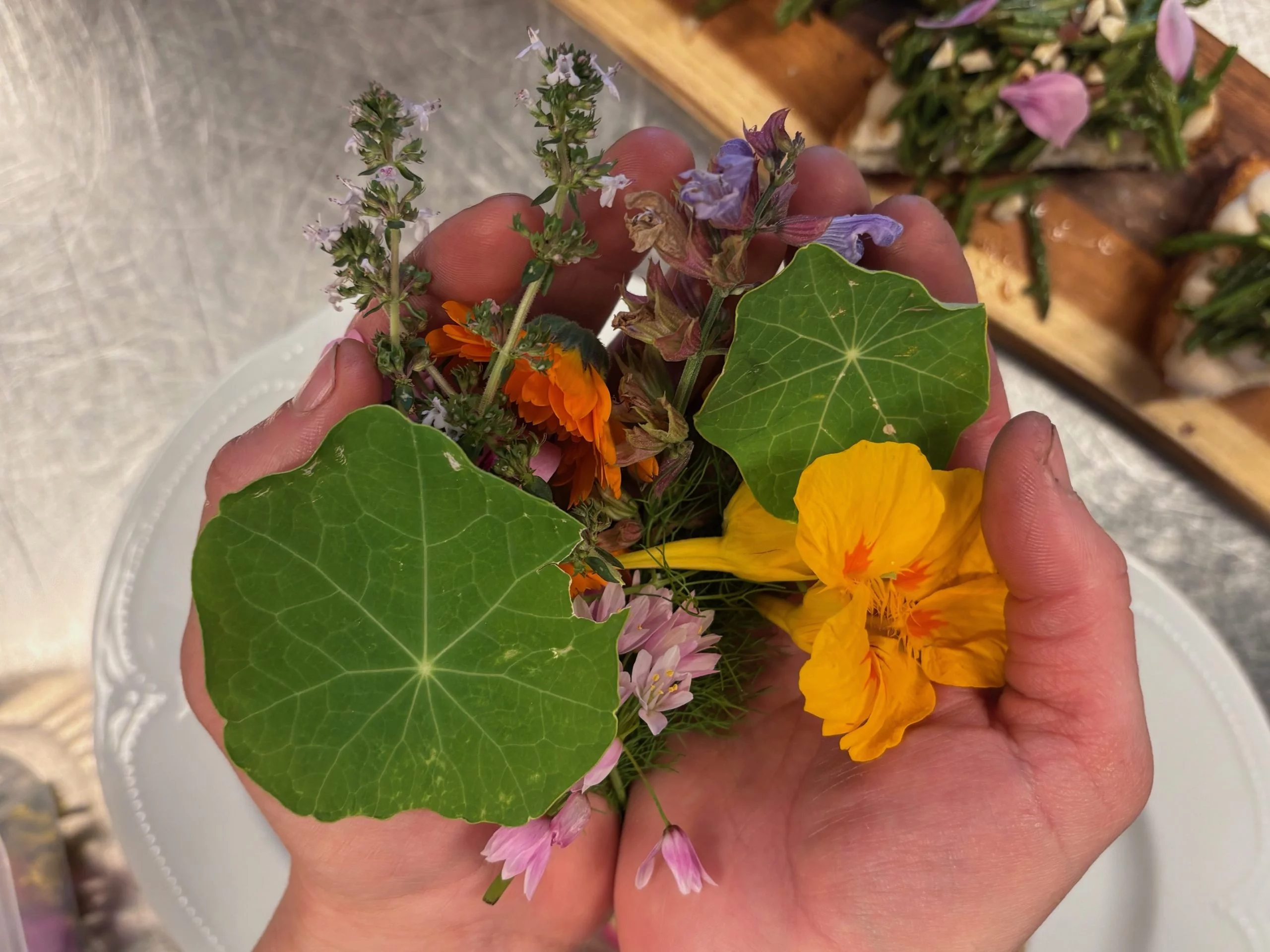
Annamaria grows her own herbs: calendula, borage, citrus thyme, tarragon. Wild garlic and its flower appear often on the plate. From nearby farmers, they source peas, cabbage, radishes – but she always wants more. More local. More fresh. More diversity. They currently rely on organic, local producers, but in peak season, supply can’t always meet demand. You need a “guy” for every fresh ingredient – eggs, chickens, herbs – and a spot on the waiting list.
In the kitchen, nothing is by chance. Inspiration comes from old notebooks, traditional recipes of Lukez and Orlić. Every day, three clay pots take their place in the fireplace – veal shank, shoulder, and young cockerels. Want lamb in a pot? You’ll get it – with a hint of cinnamon, familiar yet unpredictable.
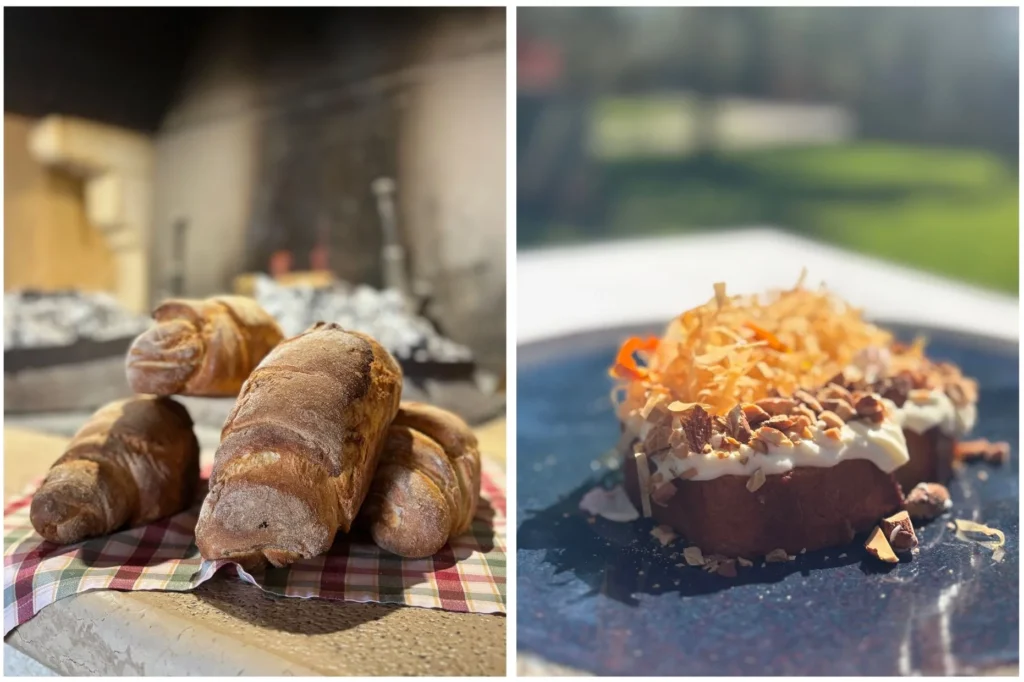
They bake their own bread, daily – from traditional white loaves to walnut sourdough. Pasta? Handmade. Corsetti with their own stamp, pasutice, pljukanci. Sauces? Marjoram pesto, goat cheese and cabbage, mushrooms and asparagus. Traditional, with a twist. A flower here. A wild herb there.
Desserts are a chapter of their own. Simple doughs with unexpected textures – lemon sponge, white chocolate cream, paper-thin pastry chips. And yes, even desserts kissed with extra virgin olive oil.
Which brings us to their longtime partner and friend: Chiavalon olive oil. From artichokes to flour to friendships – everything blends like the perfect recipe.
Alla Beccaccia is not a tourist gimmick. Sure, a lot of tourists return year after year – but it’s the locals who carry the story forward. The ones who understand. The ones who come back.
Annamaria, who trained in South Tyrol, says people there are proud of their land and what it gives them. They live in true symbiosis. She wants that here. In Istria. In her tavern. That’s why you’ll often find a fig or olive leaf in her hands. That’s why she still turns the embers under her clay pots, every day.
So if you’re curious to hear the fire crackle, or searching for a shady corner to enjoy a perfect piece of meat with a glass of wine, we can only say – go find this tavern. You won’t be dissapionted.
The northern Adriatic, encompassing the coasts of Istria and Kvarner, stands as one of the richest and best-preserved marine areas in the Mediterranean. Its biodiversity, crystal-clear waters, and the traditional lifestyle of local communities make this region an exemplary model of sustainable coexistence between humans and nature.
A Sea that Nourishes and Inspires
In June, as sea temperatures rise, marine life flourishes. This period is ideal for fishing and savoring fresh, locally caught fish that form the cornerstone of Istrian and Kvarner cuisine.
Among the most common and esteemed fish species caught and consumed in June are:
Gilt-head bream (orada) – the queen of the Mediterranean plate, often grilled.
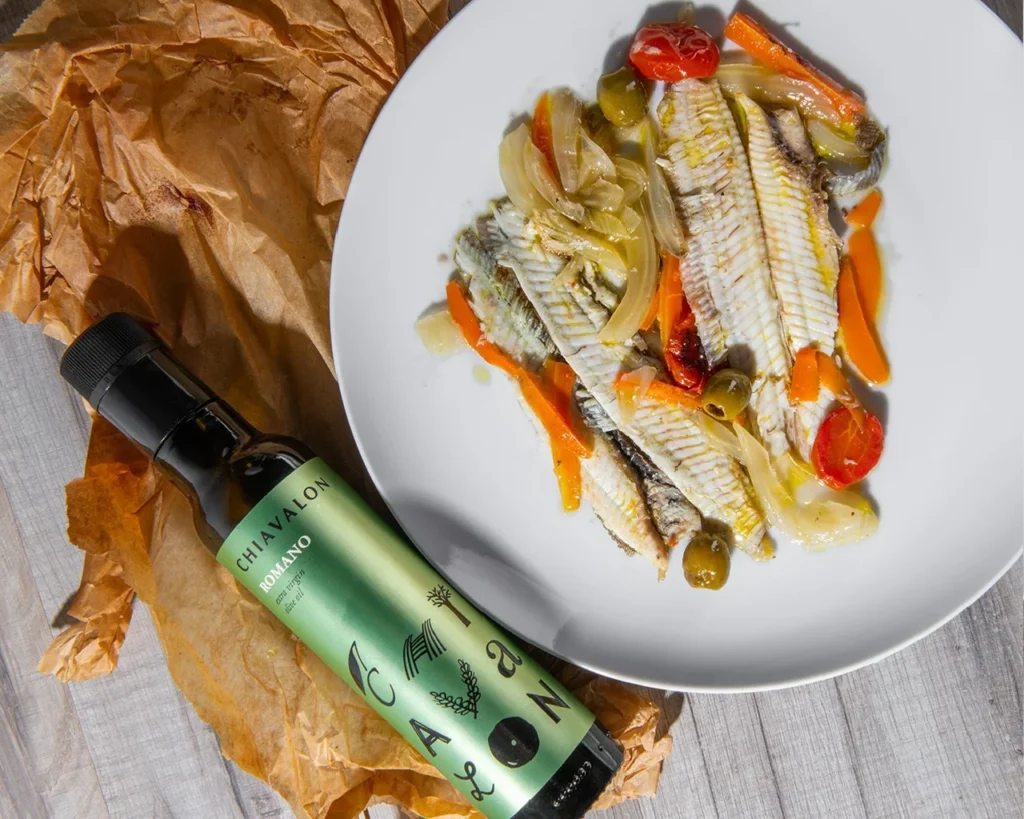
European sea bass (brancin) – light and tender, perfect for baking in salt or olive oil.
Common pandora (pagar) – meaty white fish, excellent for brodetto.
White seabream and annular seabream (fratar and šarag) – smaller fish with intense flavor, ideal for soups or boiling.
Mackerel and chub mackerel (skuša and lokarda) – oily, blue fish rich in omega-3 fatty acids.
Mullet (cipal) – typical of estuaries and harbors, delicious when baked with aromatic herbs.
Sardines and anchovies (srdela and inćun) – staples of the fisherman’s diet, often served marinated or grilled.
Mediterranean Diet: More Than Just Food
Recognized by UNESCO as an intangible cultural heritage, the Mediterranean diet is based on fresh fish, olive oil, vegetables, legumes, and fresh herbs. Its value lies not only in taste but also in health benefits—numerous studies link it to reduced risk of cardiovascular diseases, better blood sugar control, and longevity.
A key component is extra virgin olive oil, which in Istria often comes from family-run oil mills like Romano oil ideal for fish dishes due to its freshness, fruitiness, and mild spiciness.
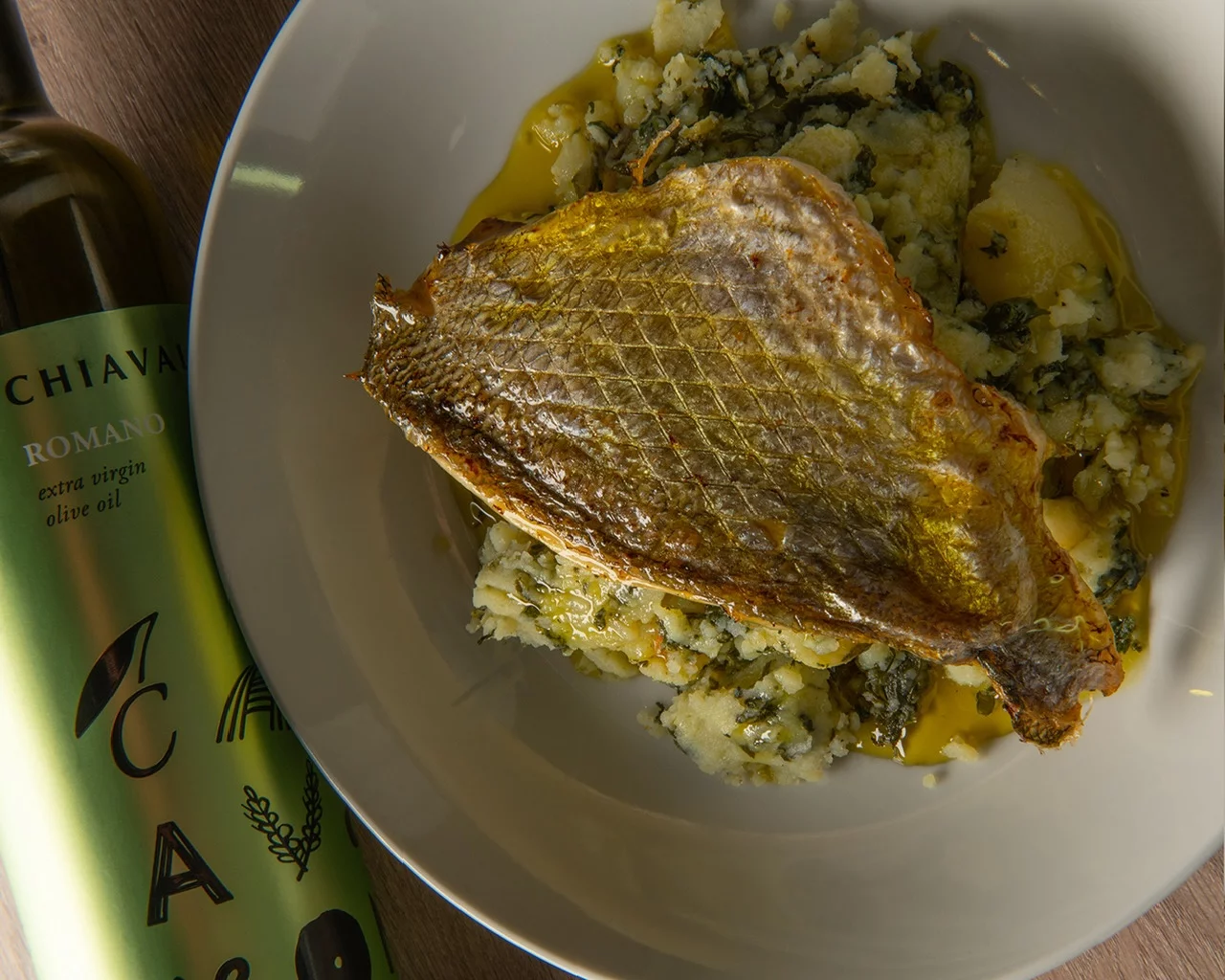
Recipe: Sea Bream Fillet in Lemon and Romano Olive Oil Emulsion
Seasonal vegetables (zucchini, Swiss chard, new potatoes)
Preparation:
Lightly salt the sea bream fillets and let them rest at room temperature for 15 minutes.
In a pan with a few drops of Romano oil, briefly sear the fillets on both sides (about 2–3 minutes).
In a small bowl, whisk together olive oil, lemon juice, grated lemon zest, finely chopped parsley, and freshly ground pepper to create a light emulsion.
Steam the vegetables and drizzle them with the remaining emulsion.
Serve the sea bream fillet on a bed of vegetables, topped with the aromatic emulsion.
This dish exemplifies Mediterranean simplicity—three basic ingredients (fish, oil, lemon) create a complex yet light meal.
Preserving Marine Life—A Responsibility for All
The northern Adriatic is renowned for its cleanliness and abundance, necessitating careful management. Sustainable fishing, education of local communities and tourists, and respect for marine reserves are crucial for preserving this ecosystem.
Increasing initiatives support marine conservation, including local cleanup actions and the promotion of sustainable dietary habits—choosing local fish over imported species, avoiding overfishing, and educating children about the importance of the sea.
The northern Adriatic is not just a destination—it’s a way of life. Amidst olive trees, pristine sea, and simple cuisine lies a wealth measured not only in flavors but also in tradition, health, and harmony with nature.
Next time you smell the sea and hear cicadas in the shade of olive trees, know that you’re in the right place. For a complete experience, let your plate be filled with fresh fish and Romano olive oil.
At Chiavalon, we believe that true sustainability doesn’t begin when you enter the market — it begins where others stop.
From day one, our focus hasn’t been just on producing premium olive oil, but on how we produce it. We wanted to build a system that respects the rhythms of nature, uses what we already have, and gives back to the earth at least as much as we take. And so today, on World Environment Day, we want to shed light on everything we do — behind the scenes.
From Filter to Flame
For us, zero waste doesn’t begin with recycling — it begins with upcycling.
We use 100% cellulose filters to filter our olive oil. Once used, they are no longer suitable for production. But instead of discarding them, we give them a second life. We dry, pack, and transform them into organic fire starters — eco-friendly kindling used to light fireplaces or grills. The used filter, rich with the essence and aroma of the oil, gains new purpose.
The Olive Pit as Local Energy
During processing, we extract the woody pit from the olive — a core quite literally filled with energy. As the pit is soaked in natural olive liquids, its energy value is remarkably high.
We don’t discard this pit. Instead, we use it as fuel to heat our facilities, offices, and production buildings. But we go further — more than 40 households in the Vodnjan area heat their homes with this local, renewable, and sustainable energy, eliminating the need for industrial pellets.
Compost That Feeds Future Olives
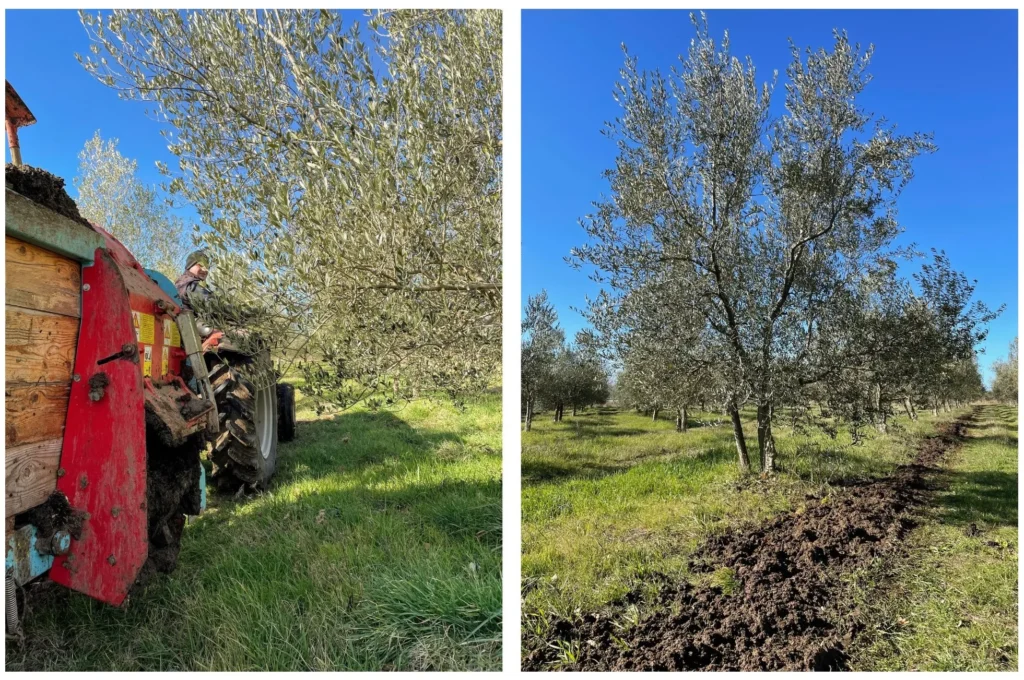
After processing, we’re left with pomace — a rich, thick paste often seen as waste. To us, it’s a raw material for high-quality compost. We compost it for over a year, after which we return this organic matter to our olive groves. In this way, the soil isn’t depleted — it’s enriched and nourished by what came from it.
Branches, Leaves, and the Cycle of Life in the Olive Grove
Our groves are alive year-round — but especially in spring, when we prune. This generates a large amount of branches and leaves, which we don’t discard. A special machine collects and shreds the plant material, which we then send for composting. After 1–2 years, this natural matter is returned to the earth as nutrients for new fruit.
No Waste, Only New Beginnings
For us, the olive is not just a fruit — it’s a circular system. From oil on your plate, to warmth in your home, to the soil beneath your feet — everything is reused, everything returns.
Sustainability is not a marketing slogan. It’s a daily commitment. That’s why we’ll keep looking at the olive from every angle — because we know that what seems like waste today, can be a resource tomorrow.
Happy World Environment Day — from the Chiavalon family.
Manage your privacy
To provide the best experiences, we and our partners use technologies like cookies to store and/or access device information. Consenting to these technologies will allow us and our partners to process personal data such as browsing behavior or unique IDs on this site and show (non-) personalized ads. Not consenting or withdrawing consent, may adversely affect certain features and functions.
Click below to consent to the above or make granular choices. Your choices will be applied to this site only. You can change your settings at any time, including withdrawing your consent, by using the toggles on the Cookie Policy, or by clicking on the manage consent button at the bottom of the screen.
Functional
Always active
The technical storage or access is strictly necessary for the legitimate purpose of enabling the use of a specific service explicitly requested by the subscriber or user, or for the sole purpose of carrying out the transmission of a communication over an electronic communications network.
Preferences
The technical storage or access is necessary for the legitimate purpose of storing preferences that are not requested by the subscriber or user.
Statistics
The technical storage or access that is used exclusively for statistical purposes.The technical storage or access that is used exclusively for anonymous statistical purposes. Without a subpoena, voluntary compliance on the part of your Internet Service Provider, or additional records from a third party, information stored or retrieved for this purpose alone cannot usually be used to identify you.
Marketing
The technical storage or access is required to create user profiles to send advertising, or to track the user on a website or across several websites for similar marketing purposes.