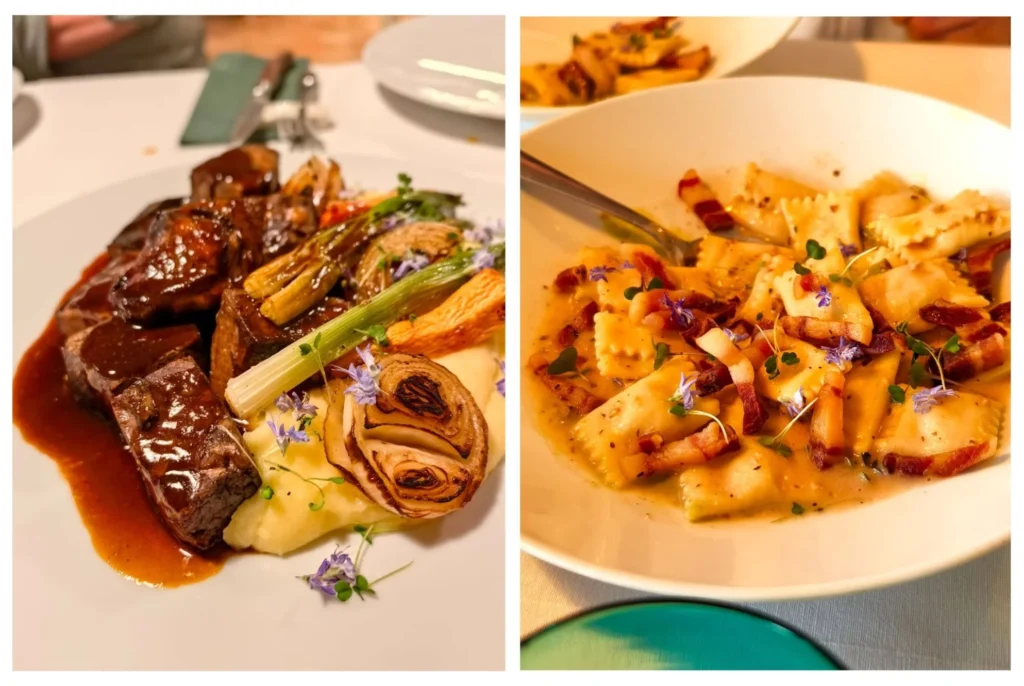
Badi – Tradition. Innovation. Family. All served on one plate.

In a small village near Umag, in the northwest of Istria, lies Restaurant Badi – a symbol of family dedication, culinary creativity, and unforgettable hospitality. With nearly four decades of existence, one family name and countless stories are woven into this small but heartfelt restaurant. It all started with a father – and today, the story continues with his son, Ivan Badurina, who carries the same passion, warmth, and knowledge he began absorbing as a child.

“I started helping out in the restaurant when I was twelve. My father showed me how to be a host, and even though I once said I wouldn’t be like him – always present and hands-on – I ended up doing exactly that.”

Roots in tradition – steps forward

Badi is not a restaurant that seeks to expand, but one that focuses on quality. With around thirty seats, Ivan says that’s more than enough:

“We’re not after quantity, we want quality. Every plate that leaves the kitchen needs to be exactly as we envisioned.”

Ivan’s father opened the restaurant with a vision – to offer something different and more creative than the typical cuisine of the time. He was a pioneer, often ahead of his time: fish baked in bread, various types of brodetto, and themed dinners like Greek nights.

“I remember evenings when you couldn’t even see the floor because of all the broken plates. Dad really knew how to entertain!”

A kitchen inspired by the seasons and terroir

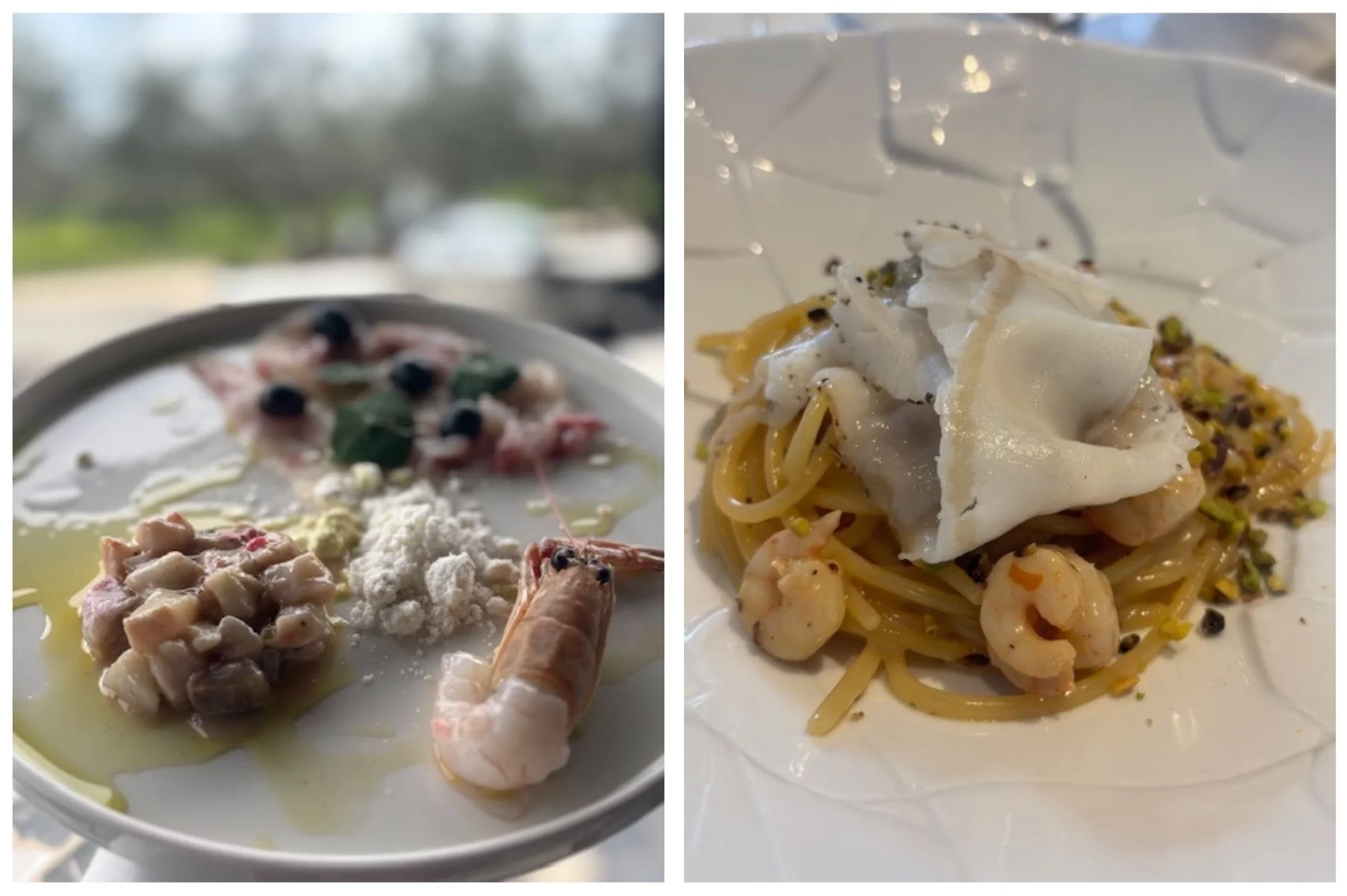
Today, Ivan runs the restaurant with his wife. Lahorka has been the head of the kitchen for 15 years, and in recent years, Nikola has joined her. The menu is divided between an à la carte offering – featuring long-time favorites like the legendary spaghetti with lardo and pistachios (the best-selling dish for the past 15 years) – and a seasonal tasting menu, which changes three times a year.

At Badi, everything revolves around ingredients. Fish comes from Istria and Kvarner, vegetables from the Umag market and local farmers. While speaking with Ivan, a man walks in carrying live lobsters – today’s delivery of freshness.

“I have a guy for asparagus, for everything. Until July 1st, we get plenty. After that, we start struggling with shortages. Prices have gone wild since COVID and the war in Ukraine. Maintaining quality has become a real challenge.”

JRE – A family with the same heartbeat

Since 2016, Badi has been a proud member of the prestigious JRE (Jeunes Restaurateurs) association.

“It’s an honor, a responsibility, but also a joy. These are people who exchange ideas, knowledge, chefs… It’s a family where everyone supports one another.”

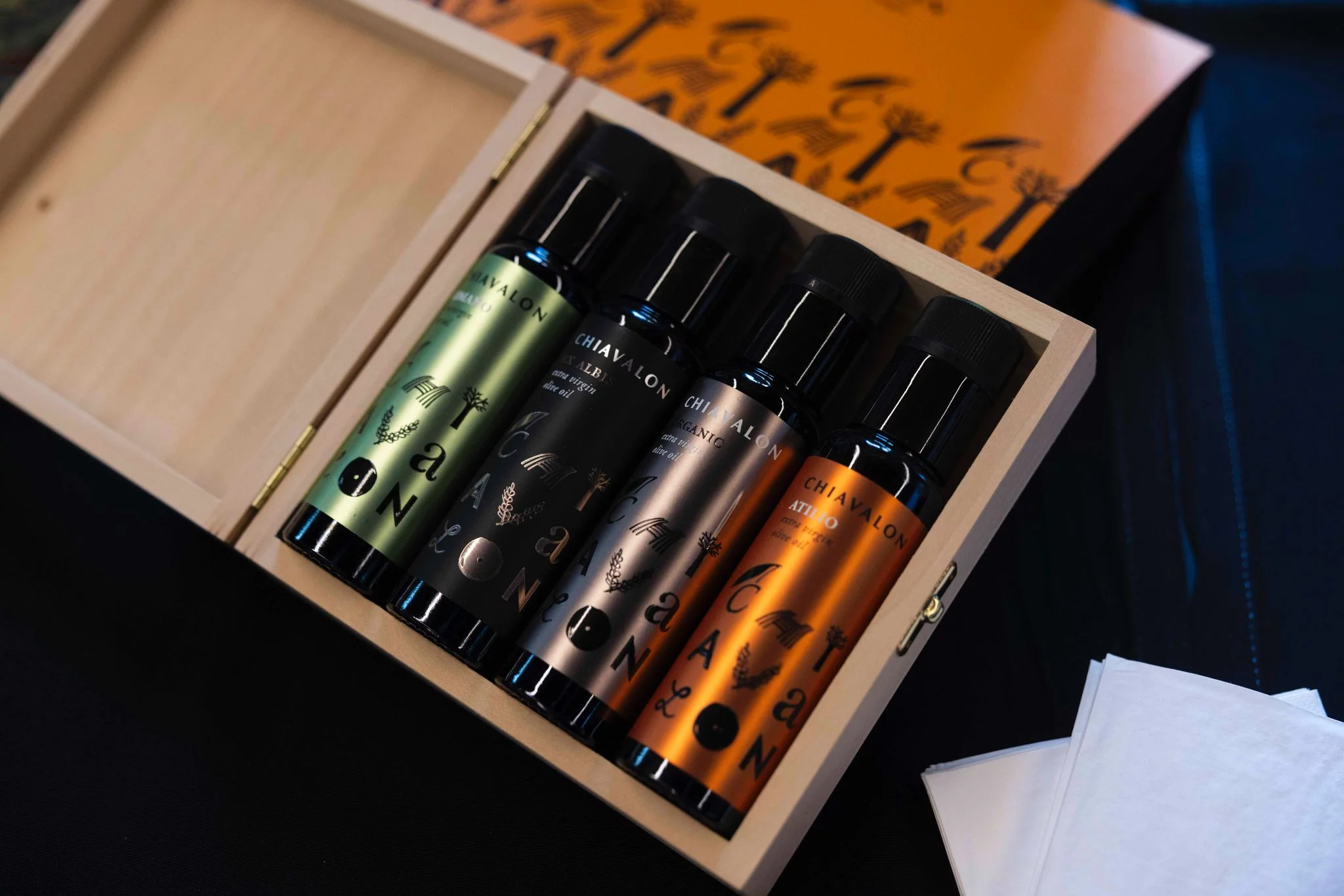
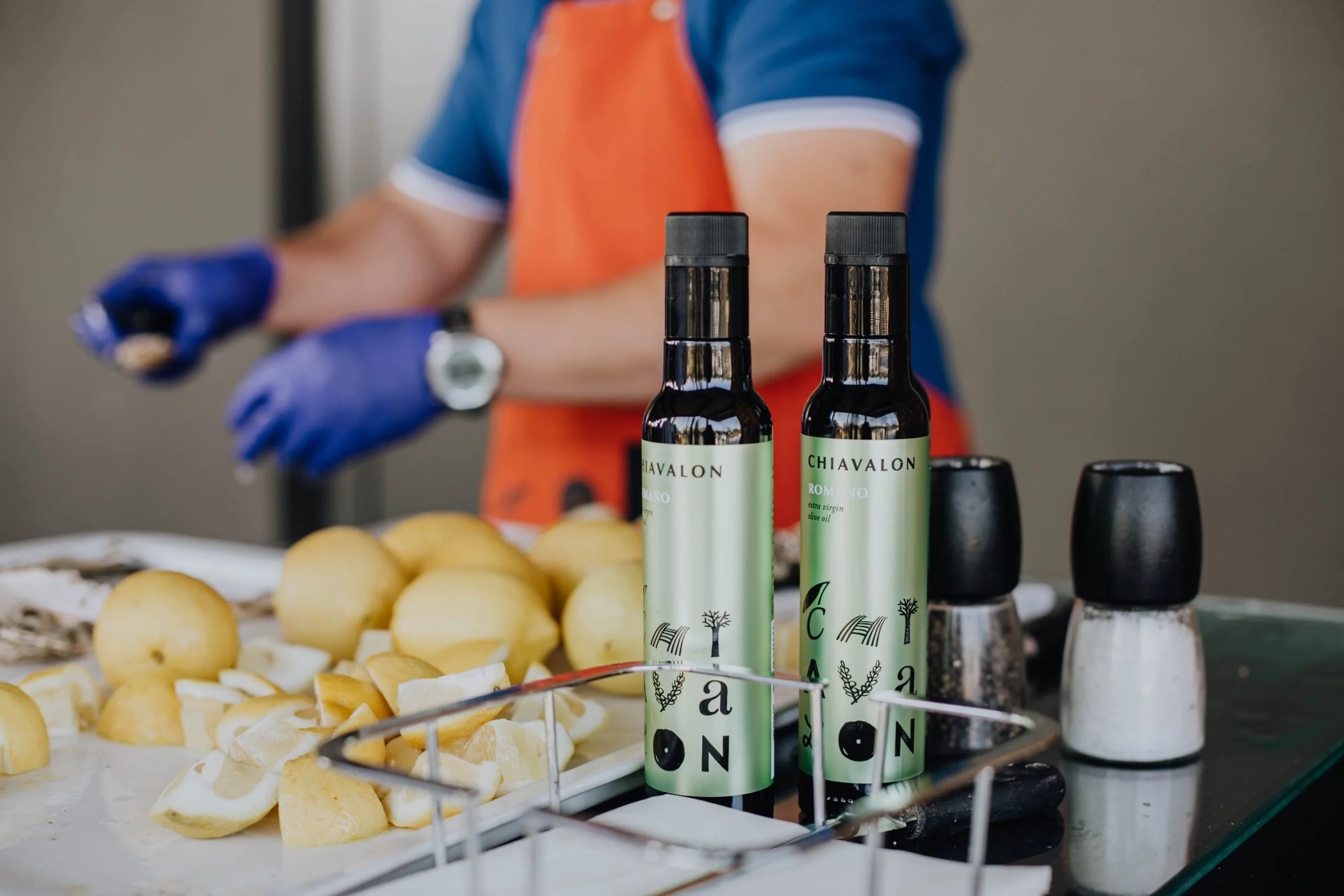
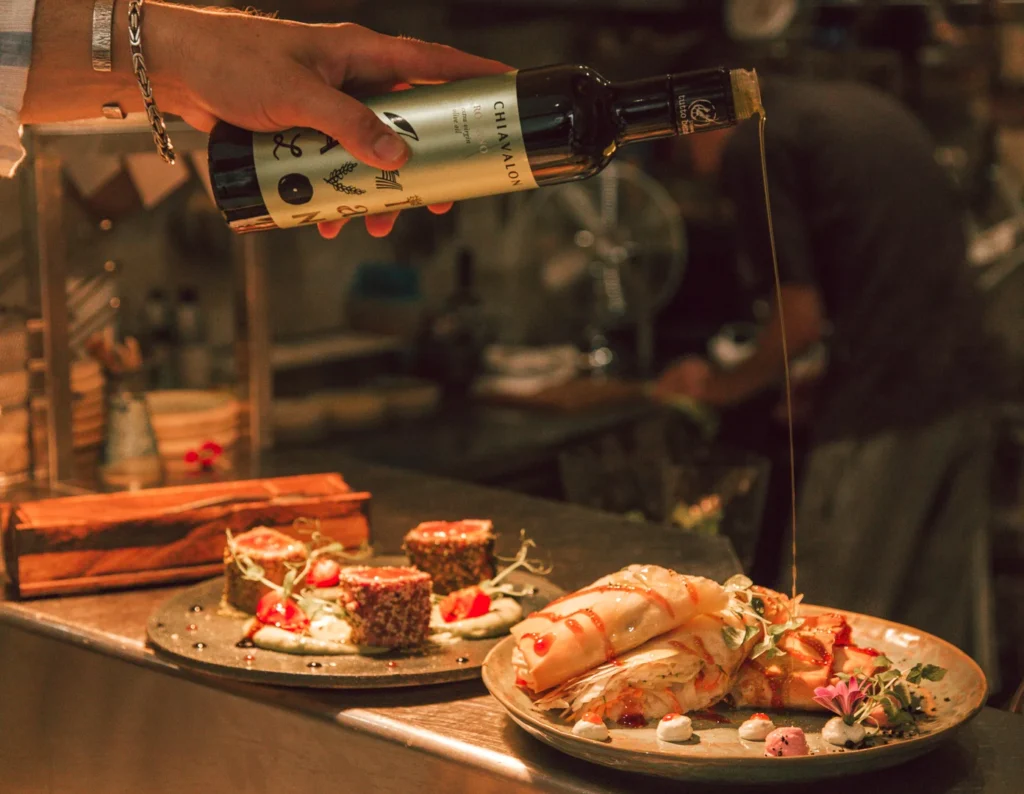
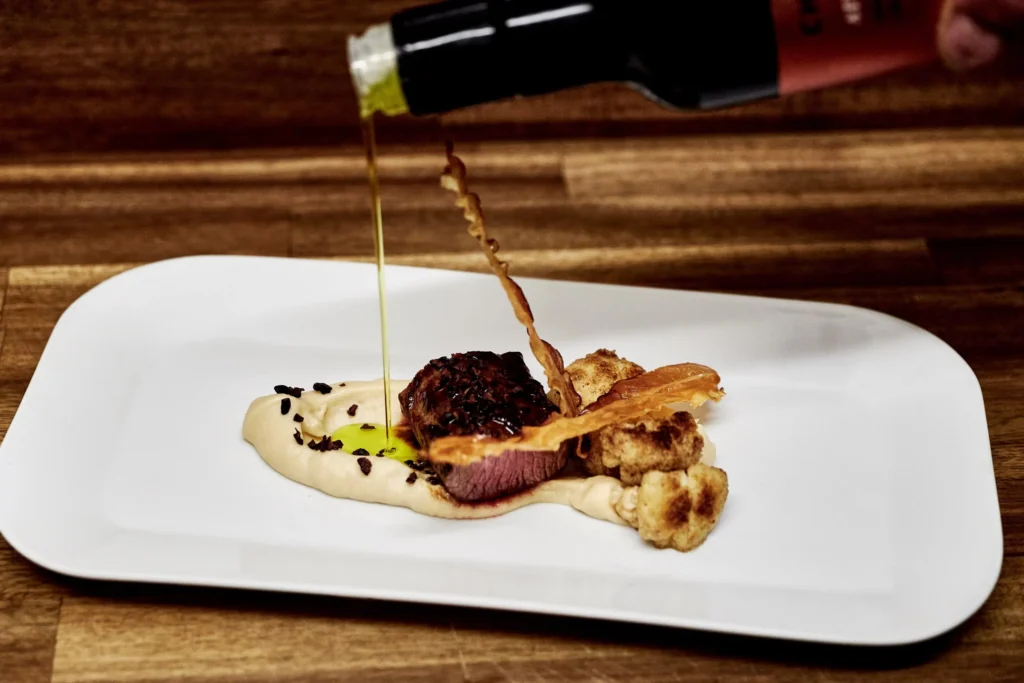
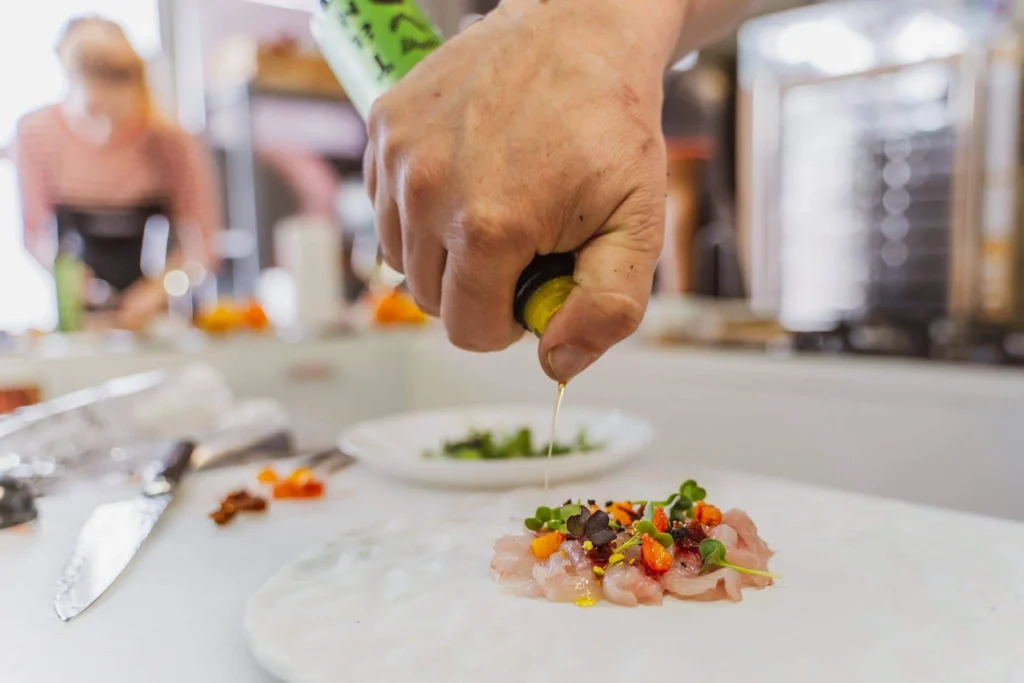
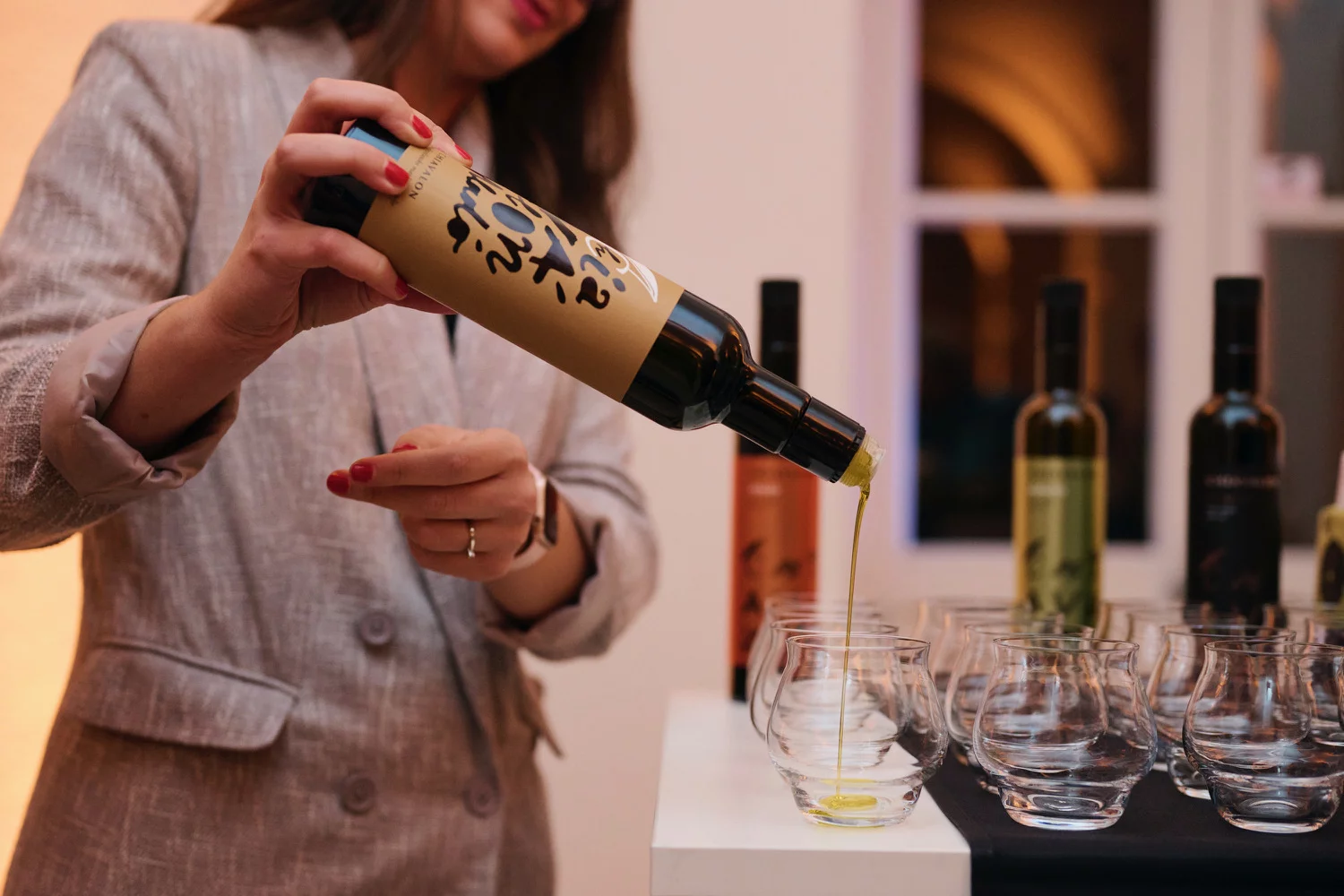
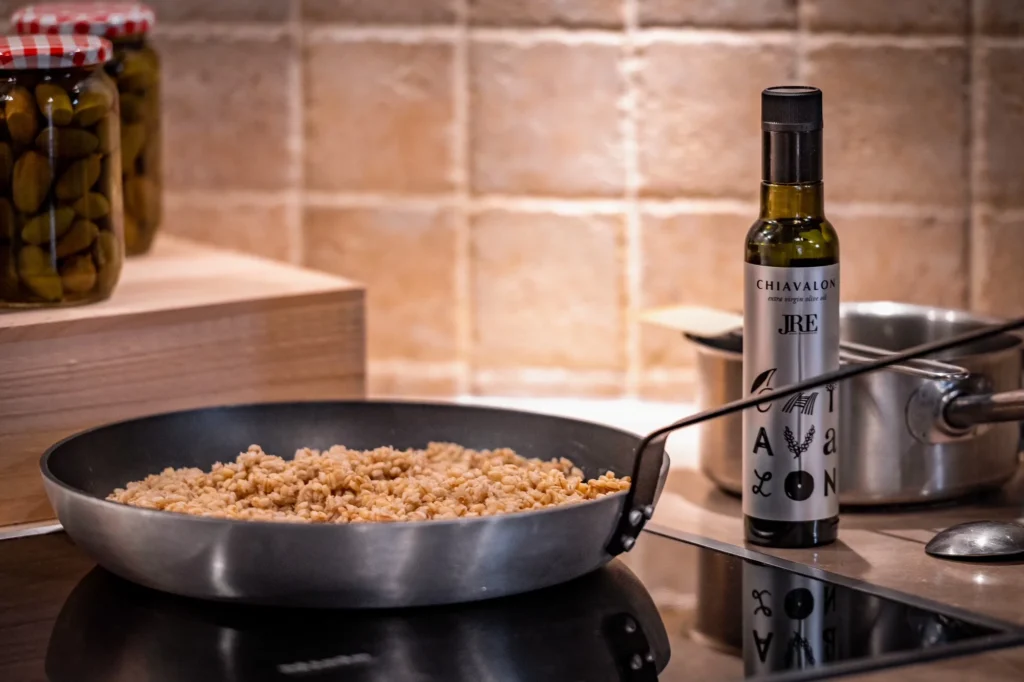
Badi’s collaboration with Chiavalon began 12 years ago – purely by chance, with a Facebook message Ivan’s father sent to the Chiavalon brothers. Today, the restaurant uses three of their olive oils: Istra, Organic, and Ex Albis, and they even surprise guests with their own homemade basil oil from time to time. Innovation with roots firmly planted in tradition.

Why Badi?

At a time when many restaurants try to impress with modern techniques, Ivan stays true to a philosophy of balance:

“You don’t need to go overboard with modern trends. People want the flavors of their childhood. Finding the middle ground – that’s our vision.”

As a host, Ivan is the heart and soul of Badi. His presence, humor, and expertise lift the entire dining experience – whether it’s during a multi-course dinner, a glass of wine, or a friendly chat with guests.

“Why Badi? Well, because of me, ha-ha! Because of a hundred different things – fresh ingredients, our team, our family, and the story we’ve been living for nearly 40 years.”

If you’re looking for a restaurant with an authentic atmosphere, flavors that tell a story, and people who are there because they love what they do – Badi is your destination.

Active Holiday in Vodnjan Area: Cycling and Walking Trails to Explore Nature and Cultural Heritage

Vodnjan area, rich in history, olive groves, and dry-stone walls, offers numerous opportunities for an active holiday. Whether you are a cycling or hiking enthusiast, here you will find routes that take you through picturesque landscapes, along the sea, through olive groves, to historical churches and traditional Istrian “kažuni” (stone huts). This is the perfect area for those who want to combine recreation with an authentic Istrian experience.

Cycling Trail 327 – Kažuni and Dry-Stone Walls

This circular cycling trail is 16.3 km long and takes you through a landscape full of “kažuni,” dry-stone walls, and olive groves—symbols of Istrian rural heritage. The surface is a combination of gravel and asphalt, making it suitable for recreational cyclists. Along the way, you will pass through the Kažun Park, a unique open-air museum of dry-stone architecture. The ride lasts between 1 and 1.5 hours and is ideal for those who want to combine cultural and sports experiences.

Cycling Trail 353 – Brijuni Riviera

This 13 km long trail takes you along picturesque parts of southwestern Istria, with views of the Brijuni National Park. The trail passes through Fažana and ends near Vodnjan, perfect for cyclists who want to enjoy the sea view and experience typical coastal villages.

Cycling Trail 366 – Sv. Stipan

This 10.5 km trail goes through the protected area of holm oak forest near Vodnjan. It is a quiet, peaceful route ideal for nature lovers and those seeking a more relaxed, calming cycling experience. Along the way, you’ll be accompanied by the sounds of nature, and the landscape offers plenty of shade and natural beauty.

Walking Trail Sv. Foška

The Sv. Foška trail is about 8 km long and one of the most famous pilgrimage routes in Istria. It leads from Vodnjan to the Church of St. Foška, a Romanesque church from the 11th century known for spiritual healings and local legends. Surrounded by nature, “kažuni,” and dry-stone walls, this trail is an ideal choice for a family outing and spiritual relaxation in nature.

Walking Trail of Medieval Paths

This thematic trail takes you through historic paths that have been used for centuries by peasants and traders. It passes through vineyards, olive groves, and gardens, along numerous dry-stone walls and “kažuni.” The trail offers various lengths and options, suitable for all ages, and along the way, you’ll discover hidden parts of the Vodnjan area and landscapes that evoke past times.

Trail Moj Kažun – La mia casita

This educational trail connects different types of “kažuni” and leads you through a landscape with the highest concentration of preserved examples of this traditional construction. The trail is perfect for a leisurely walk and learning about Istrian architecture, and visitors can learn how “kažuni” were built and why they are an important part of local heritage.

Whether you choose to cycle or walk, Vodnjan and its surroundings provide ideal conditions for exploring Istrian landscapes, with proximity to the sea, historical sites, and rich rural heritage. Each trail tells its own story and invites you to become a part of it.

Vorichi: A Culinary Tale from the Heart of Orihi

In the Istrian village of Orihi, near Barban, lies Konoba Vorichi – a place where tradition and authenticity meet a modern, thoughtful approach to food.

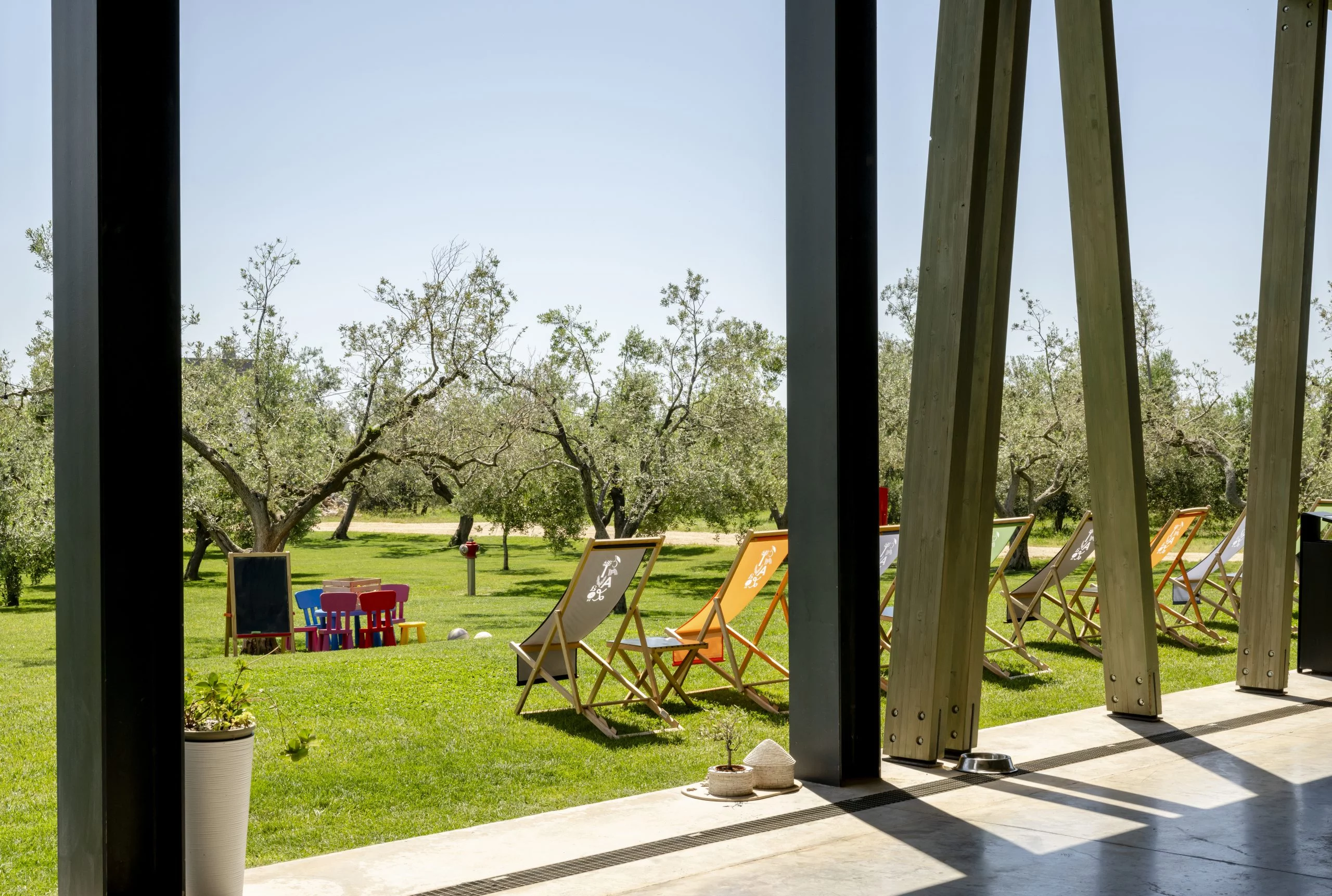
Known for its elegant ambiance reminiscent of an English countryside estate, complete with a beautifully maintained lawn and vineyard, this konoba offers dishes rooted in Istrian ingredients, including homemade prosciutto, sausages, cheeses, seasonal asparagus, and truffles. Special attention is paid to the presentation of dishes, with homemade sourdough bread, focaccia, and grissini served alongside their olive oil.

Owner Tamara has passionately led the konoba since 2013, focusing on innovation, quality, and a top-tier dining experience.

What’s in the Name “Vorichi”?

“Why Vorichi? When I looked up the land registry, I saw the parcel was registered under ‘Vorichi’. That’s when I realized why my grandmother Ulika always called our village ‘Vorihi’. The name has faded from use, but this is my way of keeping her memory alive,” Tamara explains.

Surrounded by the warmth of a fireplace, the aromas of herbs and food, and glass walls that bring the outside in, you feel like you’ve stepped into a fairytale. Tamara greets each guest with a smile, sharing her journey from opening the konoba in 2013 to the present, emphasizing their commitment to local ingredients.

Local Ingredients as a Foundation

Using local produce isn’t just a culinary choice – it’s the essence of Vorichi’s story. “Only three ingredients in our kitchen aren’t from Istria,” Tamara reveals. “Local produce is vital for capturing our terroir, history, and tradition.”

They cultivate their own herbs and recently introduced a small greenhouse for microgreens and other fresh elements. The seasonal menu reflects the rhythms of the land.

The Kitchen Led by Chef Matko Kovačević

For over a decade, Chef Matko Kovačević has shaped the menu at Vorichi. Trained at Kul IN in Croatia and Alma, Italy’s renowned gastronomic institute, his focus is entirely on quality, locality, and tradition.

The results are innovative yet rooted: traditional gnocchi with goulash, or unexpected combinations like saffron from Kaščergani, almonds, and sage from their garden.

Beyond handmade pasta in seasonal variations, they craft beef tartare with beetroot mousse. Their sourdough bread, focaccia, and grissini are baked fresh daily. Starters include curated cold cuts and seafood options.

When it comes to meat, it’s all about Black Angus, cooked in various ways over an open wood-fired grill.

Desserts? Think pralines filled with teran wine and liqueurs, truffle-infused rice pudding with ice cream, or creamy chocolate creations.

Wine & Pairing

You won’t lack wine options, and Tamara is happy to guide you through the perfect pairings for your meal.

Collaboration with Chiavalon

“I’ve known the Chiavalon brothers even before entering the hospitality world. They’ve always been a role model – a united family who succeeded through hard work and a deep connection to Istria. Their oils help elevate each of our dishes and emphasize the soul of our land.”

More Than a Meal – An Experience

Tamara believes that dining should be memorable. “We aim to create moments that guests cherish and remember with a smile – through our simplicity and sincerity.”

To visit, find them at Orihi 58, 52207 Barban. Reservations are a must: call +385 99 229 4300.

Sustainability and ethical olive oil production: Chiavalon’s commitment to environmental protection

At Chiavalon, sustainability is not just a trend—it’s the foundation of our practices. As a family-run olive farm located in the heart of Istria, we are dedicated to preserving the environment, reducing waste, and creating sustainable solutions at every stage of our extra virgin olive oil production. Here’s how we ensure that our olive grove, production, and products align with principles of environmental preservation.

Sustainable farming practices

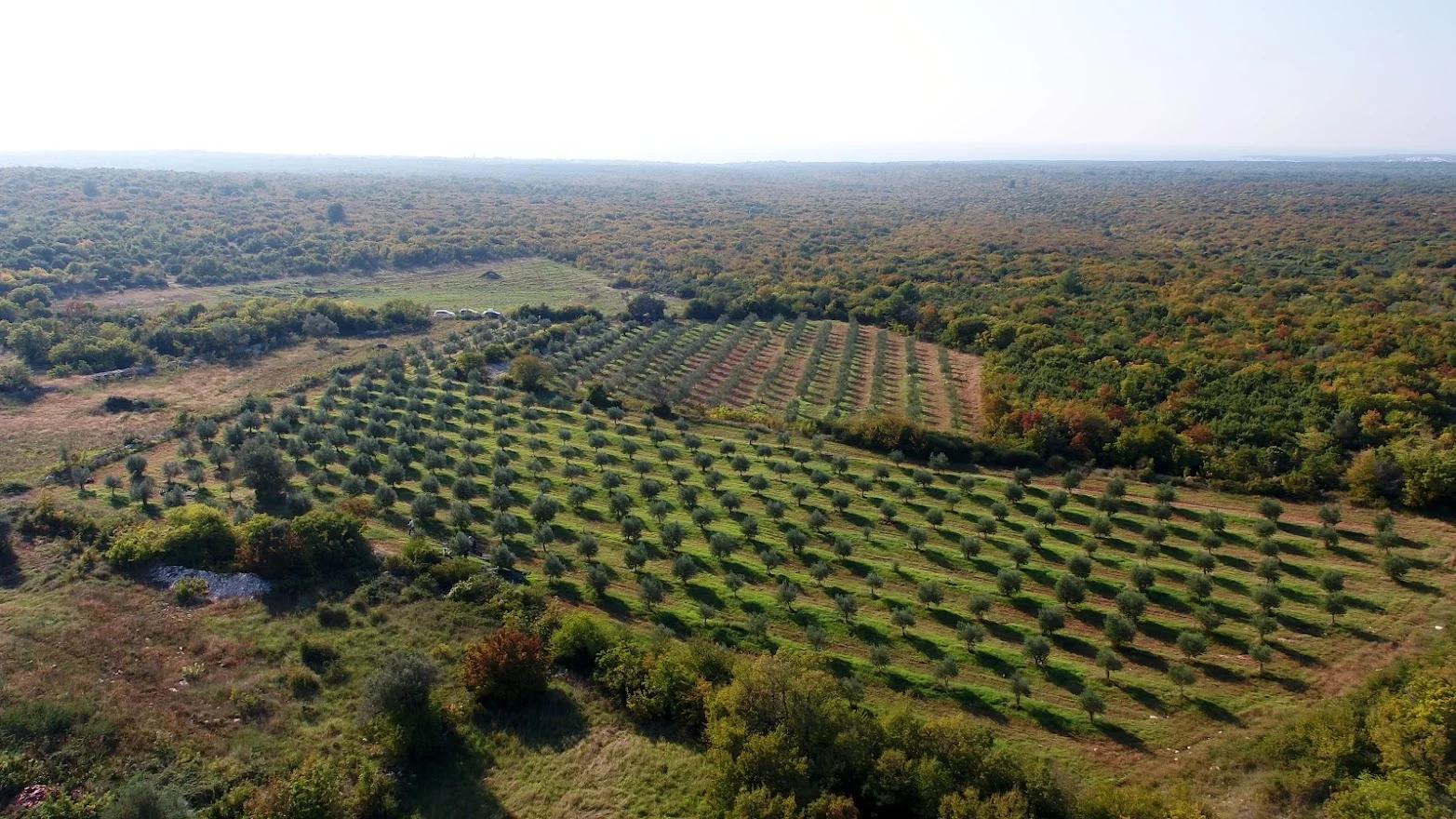
Sustainable farming starts in our olive groves. Our approach includes using organic fertilizers, avoiding pesticides, and adopting natural methods that help preserve soil fertility. This not only protects the environment but also enhances the quality of the Chiavalon olive oil produced from our olives. Thanks to this approach, we promote biodiversity in the olive groves.

We follow the principles of minimum tillage, which means we avoid plowing the land. Instead, we sow carefully selected grass varieties that act as green manure, enrich the soil, and help retain moisture during dry periods. By significantly reducing the use of tractors and heavy machinery, we are able to minimize soil disturbance and drastically lower our carbon footprint.

Solar Energy as a pillar of Sustainability

At the Chiavalon estate, sustainability begins with energy. Two solar power plants with a total capacity of 62 kW provide the majority of the electricity needed – from cooling the olive oil to powering production equipment. By harnessing solar energy, the estate significantly reduces its carbon footprint and dependence on external energy sources. Additionally, an electric vehicle charging station is available on-site for guests and partners, further encouraging the use of renewable energy and eco-friendly transportation. The delivery van used on the estate is also fully electric, aligning logistics with our sustainable philosophy.

Zero waste: recycling and reuse

In the process of making Chiavalon olive oil, we aim to eliminate waste entirely. For example, the filters used during the oil extraction process, instead of being discarded, are repurposed as eco-friendly fire starters. This is just one of the ways we reduce our ecological footprint and contribute to conserving natural resources.

Additionally, the olive pits, a byproduct of the extraction process, we use them for heating, and replacing wooden pellets. In this way, we have local energy that we use ourselves, as well as supply to several dozen households around the mill, ensuring we are not dependent on global energy trends. 

Another innovative way we minimize waste is by using pomace (the leftover material after oil extraction) to make natural body creams. These creams are rich in antioxidants and moisturizing properties, and they continue our commitment to sustainability and eco-responsibility.

Sustainable practices in oil production

Our production process is not only environmentally responsible but also beneficial to health. In addition to using the most advanced cold-press technology, we enrich our extra virgin olive oil for cosmetic use with various herbs such as St. John’s Wortbay leaves, and rosemary. These herbs not only enhance but offer numerous health benefits. For example, St. John’s Wort is known for its anti-inflammatory properties, while rosemary promotes circulation, and bay leaves aid digestion.

Supporting local farmers

At Chiavalon, we believe in community, and we support local olive growers and farmers. By promoting Vodnjan and Istria as regions known for premium olive oil, we aim to raise awareness about the importance of local products. We are aware that successful and sustainable olive farming relies on collaboration and mutual dedication, so we work with other olive growers, sharing knowledge and resources. We also collaborate with local producers who make wine, cured meats, and cheese for us, which we use in our tastings.

We have an Eco garden where we grow vegetables according to strict ecological standards, which we use for all our tastings. At the family farm, any surplus is gladly donated and shared with our employees

Certifications and standards

Chiavalon takes pride in our organic certifications, which ensure that our olive oil is produced without the use of chemicals. These certifications guarantee quality and also demonstrate our commitment to the environment and the health of our customers.

Sustainability is more than just a word—it’s a way of life. Through eco-friendly practices, waste reduction, local community support, and the use of natural resources, we strive to make a difference in the world of olive oil production. With our extra virgin olive oil, you’re not only receiving an exceptional product but also contributing to our efforts to preserve the planet and promote a healthier, more sustainable way of life.

Olive Oil myths debunked: what you need to know

Olive oil is widely regarded as one of the healthiest oils available, but there are still many myths surrounding it. In this article, we’ll debunk some of the most common misconceptions and shed light on the truths about olive oil.

Myth 1: Olive oil is unhealthy for cooking

Many people believe that olive oil isn’t suitable for high-heat cooking because it can turn rancid. In reality, extra virgin olive oil has a high smoke point (around 190–220°C/375–430°F), making it safe for cooking at medium to high temperatures. It’s an excellent choice for sautéing, grilling, and roasting. Dangerous olive oils as usually not “real olive oils” but mixed ones with other ingredients – when buying olive oil make sure to read the ingredients list. 

Myth 2: All olive oils are the same

Not all olive oils are created equal. Chiavalon extra virgin olive oil is produced using cold-pressing methods that retain its natural flavors and health benefits. The oil is processed at temperatures ranging from 19-21°C, utilizing the cutting-edge MORi-TEM technology for olive oil extraction, ensuring optimal quality and flavor preservation. Regular olive oil, on the other hand, may undergo refining processes that strip away nutrients and taste.

Myth 3: Olive oil is only for Mediterranean dishes

While olive oil is a staple in Mediterranean cuisine, it’s incredibly versatile and can be used in a variety of dishes. Whether you’re baking, making salad dressings, or even using it in desserts, extra virgin olive oil adds a rich depth of flavor to any dish. We use it in every dish for any type of cuisine – from eggs, pasta, meat to cocktails.

Myth 4: Olive oil can be stored anywhere

Proper storage is crucial for preserving the quality of olive oil. Storing olive oil in a cool, dark place and sealing it tightly ensures that it retains its freshness and flavor for longer.

Myth 5: Extra virgin olive oil has to be green

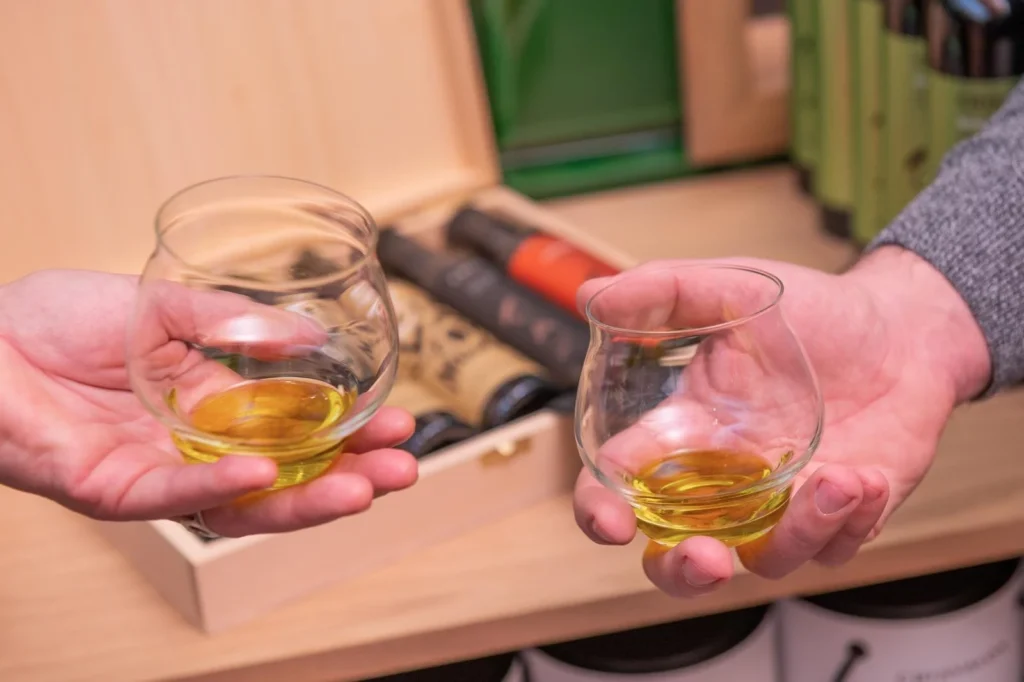
That is not the whole truth. Olive oil is green when it’s recently produced. During the year colour gets more golden, that’s why we call it liquid gold. Proof of this is that at competitions, judges use blue glasses for tasting to avoid being influenced by the color. The color of olive oil absolutely tells nothing about its quality.

Olive oil is a fantastic and versatile ingredient, but it’s important to separate fact from fiction. By understanding the truth behind these myths, you can choose the right olive oil in the store, create amazing dishes with it,  and enjoy its many benefits in your daily life.

How to Pair olive oil with food: tips and recipes for better flavor

Extra virgin olive oil is not only a staple of Mediterranean cuisine, but also a versatile seasoning that can enhance almost any dish. In this article, we’ll explore different foods that you can pair with high-quality olive oil, and provide simple recipes to help you make the most of its rich aroma.

1. Garlic and herb starter

One of the simplest yet most delicious ways to enjoy Chiavalon olive oil is by preparing a quick starter with garlic, herbs, and olive oil. This dish is perfect as an appetizer and pairs wonderfully with bread.

Ingredients:

  • 100 ml of Ex Albis extra virgin olive oil
  • 2-3 garlic cloves (finely chopped)
  • 1/2 tsp dried oregano or thyme
  • A pinch of salt
  • A pinch of freshly ground black pepper
  • Bread of choice (preferably sourdough, ciabatta, or baguette)

Instructions:

  1. In a small pan, add the Chiavalon olive oil and chopped garlic. gently heat, being careful not to burn the garlic.
  2. Add the dried oregano, salt, and pepper, and cook for another minute.
  3. Pour the mixture over sliced pieces of bread and serve. This simple recipe is a perfect way to enjoy the richness of extra virgin olive oil.

2. Olive oil salad dressing

A good dressing can completely transform a salad. Given the richness that Chiavalon extra virgin olive oil offers, it’s one of the easiest ways to add depth of flavor to even the simplest salads.

Ingredients:

Instructions:

  1. In a small bowl, mix the extra virgin olive oil, apple cider vinegar, Dijon mustard, salt, and pepper.
  2. Stir until all ingredients are well blended.
  3. Drizzle the dressing over freshly prepared salad greens, arugula, tomatoes, and cucumbers. This dressing can also be used for roasted vegetables.

3. Olive oil with grilled vegetables

Grilled vegetables are a perfect way to enjoy Chiavalon olive oil. Drizzle the oil over vegetables before or after grilling, or use it as a marinade.

Marinade ingredients:

Instructions:

  1. In a bowl, mix the extra virgin olive oil, lemon juice, garlic, oregano, salt, and pepper.
  2. Place your vegetables (e.g., zucchini, peppers, eggplant) in the bowl and coat them with the marinade. Let them sit for 30 minutes.
  3. Grill the vegetables over medium heat, occasionally basting with the remaining marinade. Serve with a final drizzle of Chiavalon Organic olive oil for extra flavor.

4. Olive oil in pasta and fish dishes

Chiavalon olive oil is also perfect for enhancing pasta and fish dishes. If you’re looking for a simple yet flavorful meal, try this combination.

Pasta Ingredients:

  • 100 ml of Istra extra virgin olive oil
  • 200 g pasta of choice (spaghetti or linguine are ideal)
  • 2 garlic cloves, chopped
  • Fresh parsley
  • A pinch of red pepper flakes
  • Salt and pepper

Instructions:

  1. Cook the pasta according to the instructions on the package.
  2. In a pan, heat the olive oil, add the garlic, and cook until golden brown.
  3. Add the red pepper flakes, parsley, salt, and pepper. Toss the cooked pasta with the olive oil mixture and serve with a little extra Chiavalon Istra olive oil on top.

For fish lovers, you can also use our Romano olive oil for grilling or roasting fish. Simply drizzle olive oil over the fish, sprinkle with salt, pepper, and lemon, and cook to your liking.

5. Olive oil in desserts? Yes!

It may sound unusual, but Chiavalon olive oil can also be used in desserts, adding richness and depth of flavor. Here’s a great recipe for an olive oil cake.

Cake Ingredients:

Instructions:

  1. Mix the dry ingredients in one bowl.
  2. In another bowl, whisk together the eggs, sugar, olive oil, and lemon zest.
  3. Gradually add the dry ingredients to the wet mixture, stirring until smooth.
  4. Pour the batter into a greased cake tin and bake at 180°C (350°F) for about 30 minutes.
  5. Serve chilled, dusted with powdered sugar.

Chiavalon olive oil is incredibly versatile and can enhance the flavor of a wide variety of dishes—from appetizers and salads to pastas and even desserts. With these simple yet delicious recipes, you can easily add richness and depth to every meal. Don’t be afraid to experiment with new combinations and enjoy the healthy, perfect flavors that olive oil has to offer!

How to store olive oil properly for maximum freshness

To get the most out of your Chiavalon olive oil, it’s important to store it properly. Olive oil is a delicate product, and exposure to light, heat, and air can cause it to degrade quickly. Follow these tips to ensure your olive oil stays fresh and flavorful for as long as possible.

Keep it in a cool, dark place

Olive oil should be stored away from direct sunlight. Exposure to light can cause the oil to break down and lose its flavor. Store your Chiavalon olive oil in a cool, dark cupboard or pantry, ideally at a temperature between 15–18°C (59–65°F), but room temperature around 21-22°C is also fine if is not exposed to the sun directly. 

Avoid heat

Outside heat is one of the biggest enemies of olive oil. It can cause the oil to oxidize, resulting in a rancid taste if it is stored near your stove, oven, or other heat sources. Instead, keep it in a stable, cool environment to maintain its quality.

Seal the bottle tightly

Once you’ve opened your bottle of Chiavalon olive oil, make sure to seal it tightly after each use. Exposure to air can cause oxidation, which degrades the oil and affects its flavor. If you’re using a pour spout, ensure it’s tightly fitted when not in use.

Use smaller bottles

If you don’t use olive oil frequently, consider buying smaller bottles. This way, you can open one bottle at a time, keeping the others sealed and fresh for longer. Chiavalon extra virgin olive oil comes in various sizes, making it easy to choose one that fits your needs.

Check the expiry date

While olive oil doesn’t spoil in the same way perishable foods do, it does have a shelf life. Be sure to check the expiration date on your bottle and try to use the oil within 18 months of harvest for the best flavor and quality. Although it is common to see bottles labeled with ’24 months from bottling,’ which follows the law, this does not guarantee that the oil comes from the harvest of that particular year. As such, this labeling practice can be misleading for consumers. For this reason, it is always advisable to look for an olive oil producer who specifies the harvest year and month on the label, and then calculates the shelf life of 18 or, at most, 24 months from that date, as the law requires.

Proper storage is key to maintaining the freshness and flavor of your Chiavalon olive oil. By keeping it in a cool, dark place, sealing it tightly, and checking its expiry date, you can enjoy the full benefits of this high-quality product for months to come.

The history and origins of olive oil: From Ancient Greece to Chiavalon

Olive oil has been an essential part of human culture for thousands of years. From its early origins in the Mediterranean to its global popularity today, olive oil has a rich history that reflects its importance in both cooking and culture. 

The birth of olive oil in ancient times

The use of olive oil dates back over 6,000 years, with evidence suggesting it was first cultivated by ancient civilizations in the Mediterranean, including the Greeks and Phoenicians. Olive oil was not just a food product — it was used in religious ceremonies, for lighting lamps, and even in medicinal treatments. During the Roman Empire, olive oil became a significant trade item. The Romans spread olive cultivation across Europe, particularly in regions like Spain, Italy, and Greece. Olive oil was used for everything from cooking to bathing, making it a symbol of wealth and luxury.

Olive Oil Production in Istria: a tradition of excellence

Istria, the picturesque peninsula in the northern Adriatic, is renowned not only for its stunning landscapes and rich cultural heritage but also for its exceptional olive oil. With its fertile soil, mild climate, and a centuries-old tradition of olive cultivation, Istria has established itself as one of the world’s premier regions for producing top-quality extra virgin olive oil.

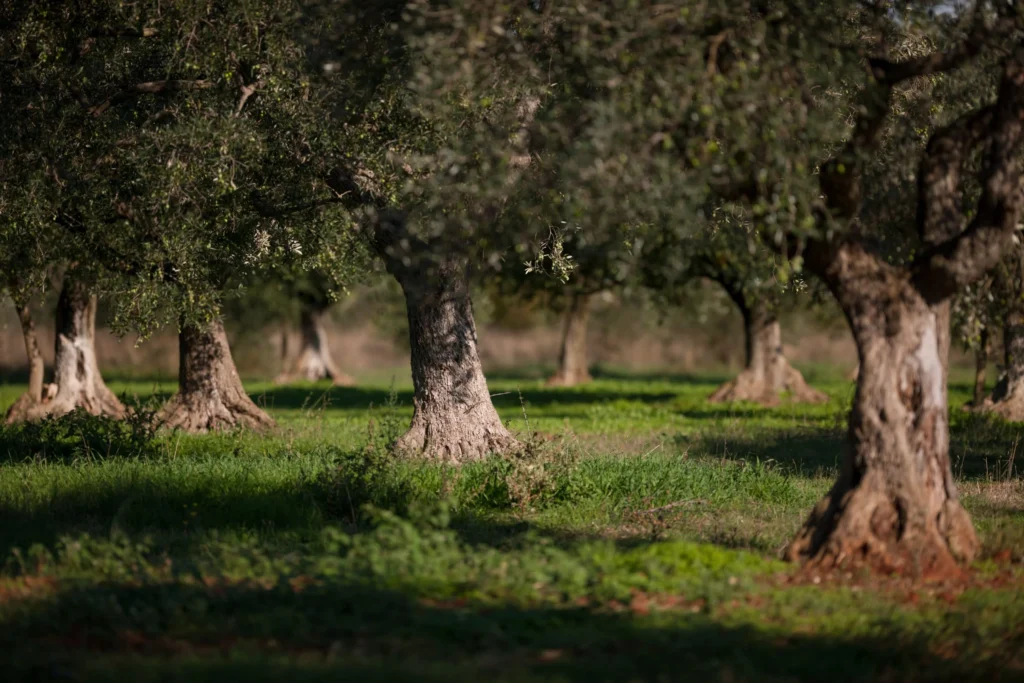
Olive trees have been cultivated in Istria for more than two thousand years. The roots of olive oil production in this region stretch back to ancient Roman times when olive trees were introduced by Roman settlers. However, it was during the Venetian period (14th to 18th centuries) that the olive industry in Istria truly flourished. The Venetians not only encouraged olive cultivation but also established olive oil mills that became an integral part of the Istrian agricultural landscape. The Brijuni National Park is home to the oldest olive tree in the region, estimated to be 1,600 years old and still bearing fruit. Pliny the Elder, in his book Naturalis Historia, recognized Istria alongside Venafro (Italy) and Betica (Andalusia) for its significance in olive oil production. The Roman poet Marcus Valerius proclaimed: “Uncto Corduba laetior Venafro, Histria nec minus absoluta testa” -> “Cordoba, you are richer than oily Venafro and as perfect as the olive oil of Istria.”

By the 19th century, olive oil from Istria had already earned a reputation for its excellent quality. Today, the region’s olive oil production continues to be a proud tradition. Istria has been named the best olive oil-producing region in the world seven times by the Italian guide Flos Olei.

The rise of modern olive oil producers

In the past few decades, Istria has seen a renaissance in olive oil production. The region has embraced new technologies while maintaining traditional methods of cultivation and production. Today, Istria is home to over 1,000 olive oil producers, ranging from small family-owned farms to larger commercial estates. This diverse range of producers is one of the reasons why Istrian olive oils stand out for their richness, complexity, and unique flavors.

The modern approach to olive oil production in Istria combines the best of both worlds: traditional craftsmanship and state-of-the-art machinery. The olives are hand-harvested at the peak of ripeness, usually in early autumn, and then processed using cold-press methods that preserve the oil’s natural flavors and nutrients. Many producers also use organic and sustainable farming practices, further elevating the quality and reputation of Istrian olive oil.

Why Istria is a top region for olive oil production

Several factors make Istria an ideal region for olive oil production, placing it among the world’s best.

  • Climate and soil

   Istria’s Mediterranean climate – with hot, dry summers and mild winters – combined with its fertile soil, creates the perfect conditions for growing olives. The region’s terroir plays a significant role in the oil’s distinct flavor profile, which is characterized by its fruitiness, bitterness, and peppery finish.  Istria, along with Tuscany and Lake Garda, is one of the northernmost olive-growing regions in the world, producing exceptional results in terms of olive oil quality.

  • Variety of olive cultivars

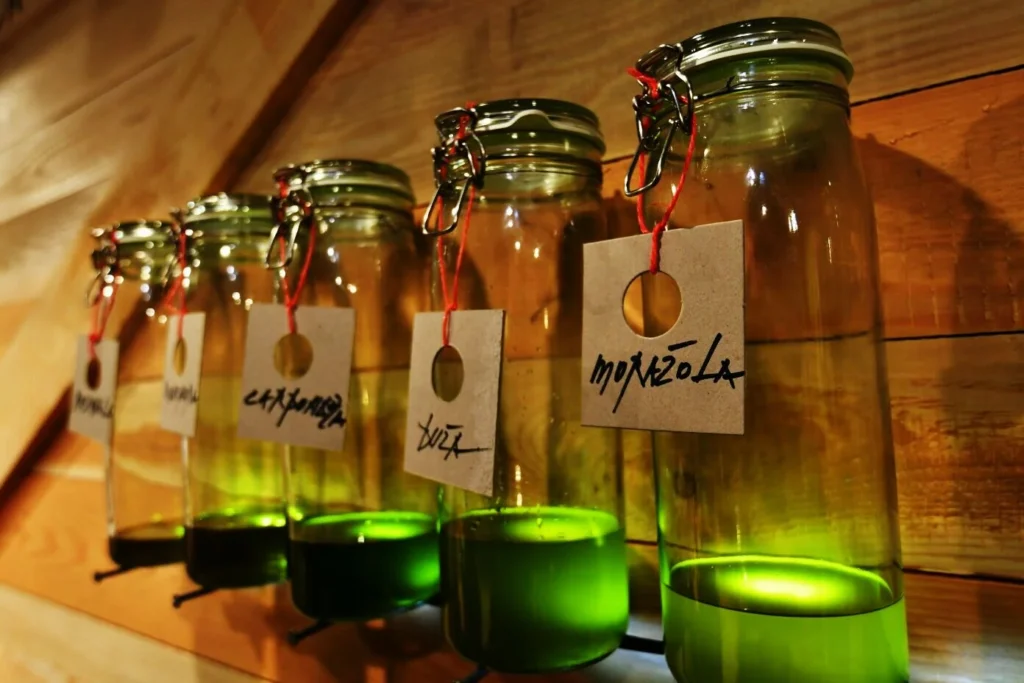
   Istria is home to several indigenous olive varieties, with the most famous being Buža. This local variety is known for its robust flavor and high-quality oil. Other varieties grown in the region include Istrian bianchera, Rosignola, Busa, Carbonazza, and Zizolera which contribute to the complexity and diversity of Istrian olive oils.

  • Commitment to quality

   The commitment to producing high-quality olive oil is evident throughout Istria. Producers are dedicated to preserving traditional methods while embracing innovation. This has resulted in a wide range of Istrian olive oils that have earned numerous awards at international competitions.

  • Sustainability and innovation

   Many Istrian olive oil producers are deeply committed to sustainability. Practices such as organic farming, water conservation, and waste management are increasingly common. Producers are also focusing on reducing their carbon footprint and ensuring that their products are environmentally friendly, which further enhances the reputation of Istrian olive oil on the global market.

Istrian olive oil in the global market

Istrian olive oil is highly sought after around the world. The region’s olive oils are not only prized for their exceptional quality but also for their health benefits. Rich in antioxidants, polyphenols, and omega-3 fatty acids, Istrian olive oil is celebrated for its potential to improve heart health, reduce inflammation, and support overall well-being.

From ancient Roman times to the present day, olive oil production in Istria has evolved into a sophisticated, world-class industry. The region’s favorable climate, commitment to quality, and innovative approach to sustainable farming have made it a leading player in the global olive oil market. With a strong emphasis on tradition, sustainability, and innovation, Istria’s olive oils are destined to remain among the finest in the world.

Whether you are a connoisseur or a casual cook, there is no better way to experience the richness of Istria’s culinary culture than by tasting its exceptional olive oils. 

Chiavalon Farm Wins Prestigious Award from Flos Olei for 2024

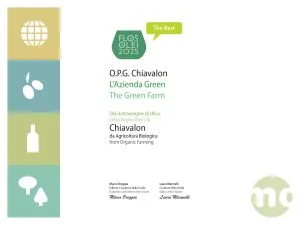
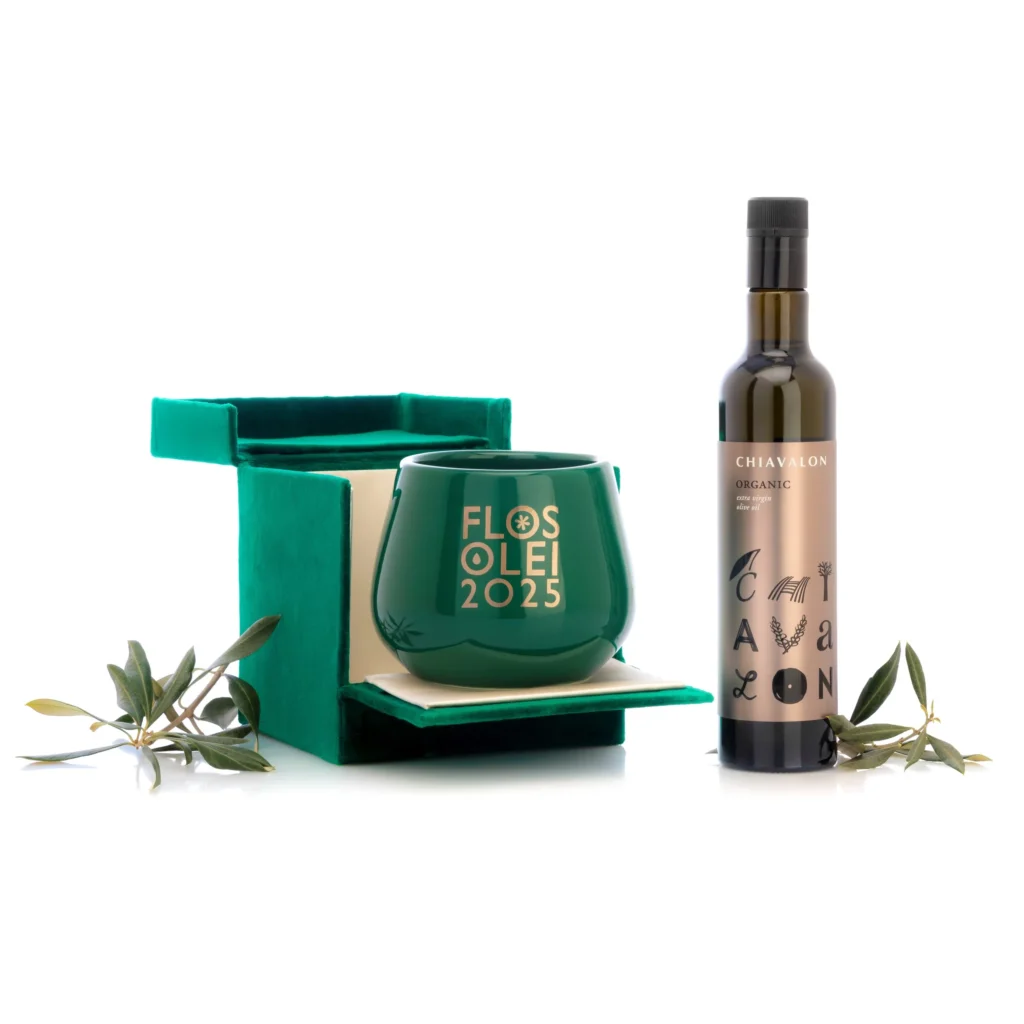
Chiavalon Farm has concluded an exceptional 2024 with one of the most significant accolades in the world of extra virgin olive oil production. The estate has been named “Best Green Farm” – the world’s best organic olive oil producer, according to Flos Olei, the most renowned global guide to olive oils.  

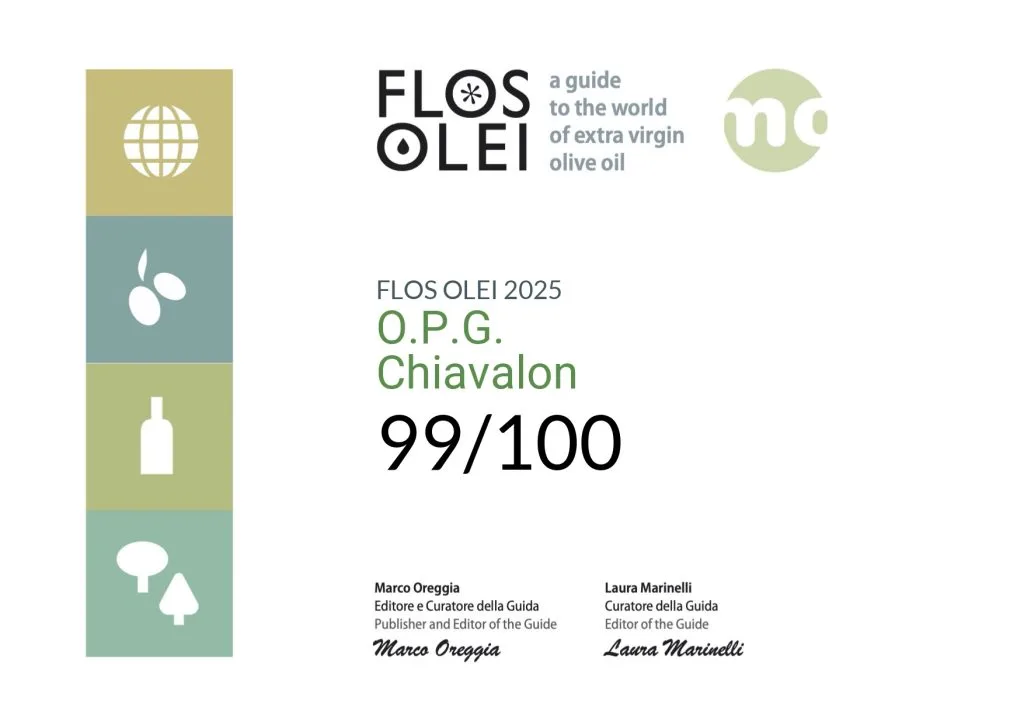
Flos Olei is an authoritative international platform that evaluates only the highest quality extra virgin olive oils from around the world. Winning the title of the best organic producer means a lot to us, as it confirms our commitment to sustainability, organic farming, and the highest quality standards. In addition to the prestigious title, our olive oils received an outstanding score of 99 out of 100 points, a testament to the excellence we achieve at every step of production. 

“This recognition is not only the result of our efforts in olive oil production but also of our continuous investment in environmental sustainability and innovation. Chiavalon Farm takes pride in its approach, which includes respecting natural resources and biodiversity, investing in renewable energy sources, and using environmentally friendly methods in every aspect of our process,” said Sandi Chiavalon after receiving this prestigious award.  

Through carefully selected indigenous olive varieties, innovative technology, and a passion for excellence, our goal is to deliver the highest quality olive oil to our customers—oil that is not only beneficial for health but also for the environment. All our products are made with the aim of preserving biodiversity and reducing the negative impact on the planet. The Best Green Farm award from Flos Olei confirms that we are not just olive oil producers—we are guardians of nature, committed to sustainability and responsible resource management.  

What Does This Title Mean for Chiavalon Farm?

“By winning the title of Best Green Farm and achieving an impressive 99 points for the quality of our olive oils, our estate reaffirms its status as a leader in the extra virgin olive oil industry. This result motivates us to continue improving—not only in terms of product quality but also in environmental conservation, social responsibility, and innovations in the olive-growing sector.  

This prestigious award is not just a victory for our family, without whom none of this would be possible. It is also a great recognition for all our employees, business partners, and, of course, our loyal customers who believe in our work and support us every step of the way. Thank you all for the trust you place in us – your satisfaction and feedback are key to our success,” concluded Tedi Chiavalon.

An Award for the Entire Agricultural Sector of Istria and Croatia

Finally, it is important to emphasize that the Best Green Farm award is also an award for the entire agricultural sector of Vodnjan, Istria, and Croatia, as well as for all individuals who, through their work, perseverance, vision, and motivation, have enabled Istrian olive oils to achieve such highly respected global recognition. This award not only confirms the quality of our estate but also highlights the strength and dedication of the entire olive-growing community in the region.  

0
    0
    Cart
    Cart is emptyU trgovinu